

Duct-Free Range Hoods: A Powerful, Stylish Kitchen Solution
August 20, 2025 | by li, moniker

Upgrading your kitchen ventilation doesn’t have to be a complex renovation project. Duct-free range hoods offer a powerful and stylish solution for homes where installing traditional ductwork is impractical. This article explores the innovative technology behind these units and provides key considerations for selecting the perfect model to keep your kitchen air fresh and clean.
How Duct-Free (Recirculating) Range Hoods Work
Unlike their ducted counterparts that expel air outside, a duct free range hood operates on a recirculating principle. It pulls smoke, steam, and cooking odors upward through a series of filters, cleans the air, and then releases it back into the kitchen. This process relies on a two-stage filtration system to be effective.
The first line of defense is typically a metal mesh or baffle filter. This primary filter captures the bulk of the grease and larger particles, protecting the inner workings of the hood and preventing a fire hazard. The second, and most crucial, stage is the charcoal filter. This activated carbon filter is responsible for neutralizing stubborn odors and absorbing finer grease particles that bypass the first filter. It’s important to note that these charcoal filters are not permanent; they require regular replacement (usually every 3-6 months, depending on usage) to maintain peak performance. For a wide selection of effective models, exploring options from a specialized retailer like Itylza is a great starting point.
Choosing the Right Model for Your Kitchen
Selecting the best duct free range hood involves more than just aesthetics. The first critical factor is power, measured in Cubic Feet per Minute (CFM). For effective recirculation, you need a unit with sufficient suction to capture contaminants at the source. A general rule is a minimum of 100 CFM for every 10,000 BTUs your stove produces, but higher is often better for tackling strong odors.
Beyond power, you must consider the hood’s size. For optimum efficiency, the hood should be at least as wide as your cooking surface to effectively capture rising plumes. Design integration is also key; these hoods come in under-cabinet, wall-mounted, and island styles to seamlessly match your kitchen’s layout. Finally, prioritize features that enhance usability, such as multiple fan speed settings for different cooking tasks, easy-to-clean filters, and energy-efficient LED lighting. Finding a quality range hood that balances these elements will ensure you get the most out of your appliance. Many modern duct free range hoods also feature sleek designs and quiet operation, making them a practical and attractive addition to any home.
In summary, duct-free range hoods provide a highly viable ventilation solution, leveraging advanced multi-stage filtration to purify kitchen air without external ducting. Their effectiveness hinges on selecting a correctly sized, powerful unit and committing to consistent filter maintenance. For homeowners seeking a flexible and efficient way to combat cooking odors, a well-chosen recirculating hood is an outstanding investment in kitchen comfort.
RELATED POSTS
View all


12-Inch Hybrid Mattress: Cooling Support & Motion Isolation
November 1, 2025 | by li, moniker

12-Inch Mattress: Balanced Support & Motion Isolation
October 29, 2025 | by li, moniker
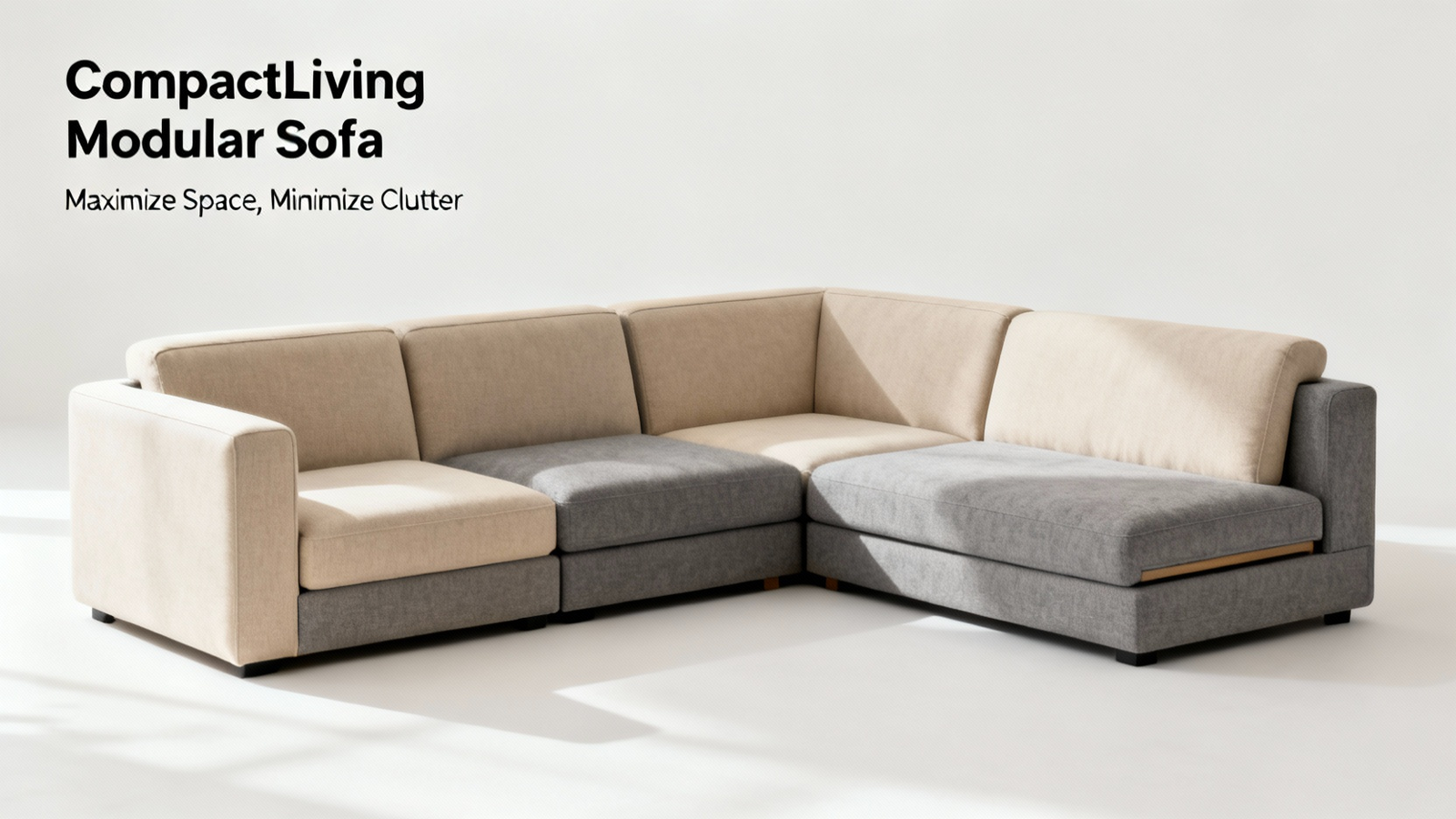
Compressible Modular Sofa Set for Small Space Living
January 12, 2026 | by li, moniker