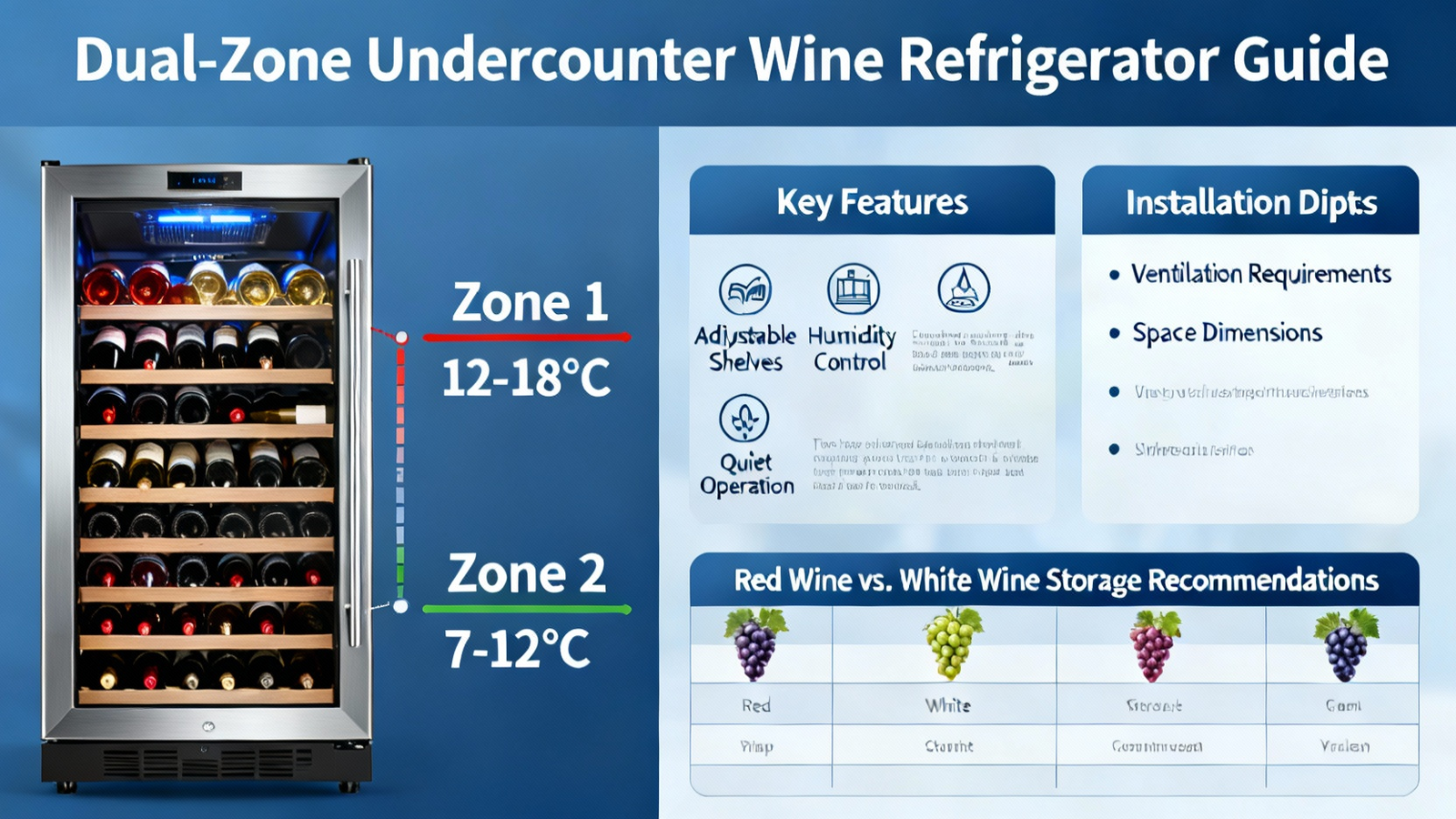
Storing wine correctly is paramount to preserving its quality and flavor. The single most critical factor in this process is temperature. This article will delve into the ideal temperature range for your wine fridge and explain the science behind why getting it right matters so much for both short-term enjoyment and long-term aging.
The Golden Rule of Wine Storage Temperature
The universally accepted ideal temperature range for storing most wines is between 45°F and 65°F (7°C and 18°C). However, this broad range requires refinement based on your specific goals. For long-term cellaring, a consistent temperature of 55°F (13°C) is considered the near-perfect benchmark. This stability is crucial; fluctuations of more than a few degrees can cause the wine to expand and contract, potentially pushing cork out and allowing oxygen to spoil the wine.
For a wine refrigerator dedicated to serving, a more nuanced approach is needed. Lighter, white and rosé wines are best served chilled at 45-50°F (7-10°C), while fuller-bodied whites and lighter reds shine at 50-55°F (10-13°C). Most red wines are ideally served at a cool 55-65°F (13-18°C), a far cry from “room temperature.” Understanding these subtleties ensures every bottle is enjoyed as the winemaker intended. For a detailed breakdown by varietal, resources like this guide on wine storage are invaluable.
Why Precise Temperature Control Matters
The science behind these numbers is rooted in chemistry. Temperature directly influences the rate of a wine’s chemical reactions. Too warm (above 70°F/21°C), and the wine ages prematurely, losing its freshness, vibrancy, and developing cooked flavors. A study published in the Journal of Agricultural and Food Chemistry has shown that elevated temperatures accelerate the degradation of key aroma compounds. Conversely, storage that is too cold can stunt a wine’s development and potentially cause tartrate crystals to form (harmless but visually unappealing).
This is why investing in a quality wine cooler is essential. Unlike a standard kitchen refrigerator, which is too cold and vibrates excessively, a dedicated unit maintains a precise, stable environment. This control protects your investment by allowing the wine to mature gracefully, integrating flavors and softening tannins over time. Mastering your wine fridge temperature is the first step toward achieving perfect preservation.
In summary, the ideal wine fridge temperature is a precise and stable one, typically between 45°F and 65°F. Aim for 55°F for long-term aging and adjust serving temperatures within that range based on the wine style. By understanding and implementing these guidelines, you ensure each bottle reaches its full potential, delivering the exquisite experience intended from vineyard to glass.
RELATED POSTS
View all