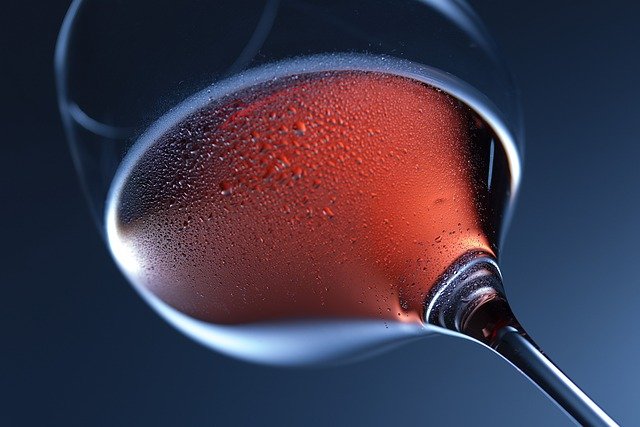
In the vibrant and often excessive 1990s, wine coolers emerged as a cultural and commercial phenomenon. These sweet, fizzy beverages became the definitive drink of a generation, dominating parties and advertisements. This article explores the meteoric rise and sudden fall of this iconic beverage, examining the marketing genius and shifting consumer tastes that defined its fleeting era of dominance.
The Rise of a Beverage Phenomenon
The story of wine coolers in the 90s is fundamentally a tale of brilliant marketing meeting a gap in the market. While precursors existed, the boom is widely credited to the introduction of Bartles & Jaymes by the E & J Gallo Winery in 1985. By the time the 1990s began, the market was saturated with brands like California Cooler, Seagram’s, and Boone’s Farm, all vying for the attention of young adults. These beverages were typically a blend of cheap wine, carbonated water, and a heavy dose of fruit flavoring and sweeteners, creating a low-alcohol, highly approachable drink that masked the taste of alcohol entirely.
Their ascent was fueled by iconic advertising campaigns that sold a lifestyle rather than a beverage. Bartles & Jaymes commercials, featuring the folksy Frank Bartles and Ed Jaymes, became instantly recognizable, generating immense brand loyalty. This marketing strategy effectively positioned wine coolers as the drink of choice for casual, fun-loving social gatherings. By the mid-1980s, cooler sales had skyrocketed to a staggering $1.3 billion, a momentum that carried them into the early 90s as a staple in convenience store coolers and at college parties.
The Icy Plunge: Decline and Legacy
The downfall of the wine cooler was as rapid as its ascent, triggered by a perfect storm of economic and cultural shifts. A significant blow came in 1991 when the federal government increased excise taxes on wine, making the production of wine-based coolers more expensive. More importantly, consumer tastes began to mature. The very sweetness that made them popular began to be perceived as cloying and unsophisticated.
The market swiftly fragmented and evolved. The rise of premium beers, flavored malt beverages (FMBs) like Zima (introduced in 1993), and ready-to-drink (RTD) cocktails offered alternatives that were either less sweet or more potent. Furthermore, the cultural impact of wine coolers was overshadowed by the grunge and alternative rock movement, which favored a different, less polished aesthetic. By the mid-90s, the craze had effectively cooled, but its legacy is undeniable. It paved the way for the entire modern RTD category and demonstrated the immense power of lifestyle marketing in the beverage alcohol industry.
The 1990s wine cooler craze was a defining, albeit short-lived, chapter in beverage history. From its peak driven by unforgettable ads to its decline caused by taxes and changing palates, it perfectly captured a specific moment in time. While the original sugary formulas faded, they laid the essential groundwork for the sophisticated hard seltzers and canned cocktails that dominate the market today, proving its influence was anything but a fad.
RELATED POSTS
View all