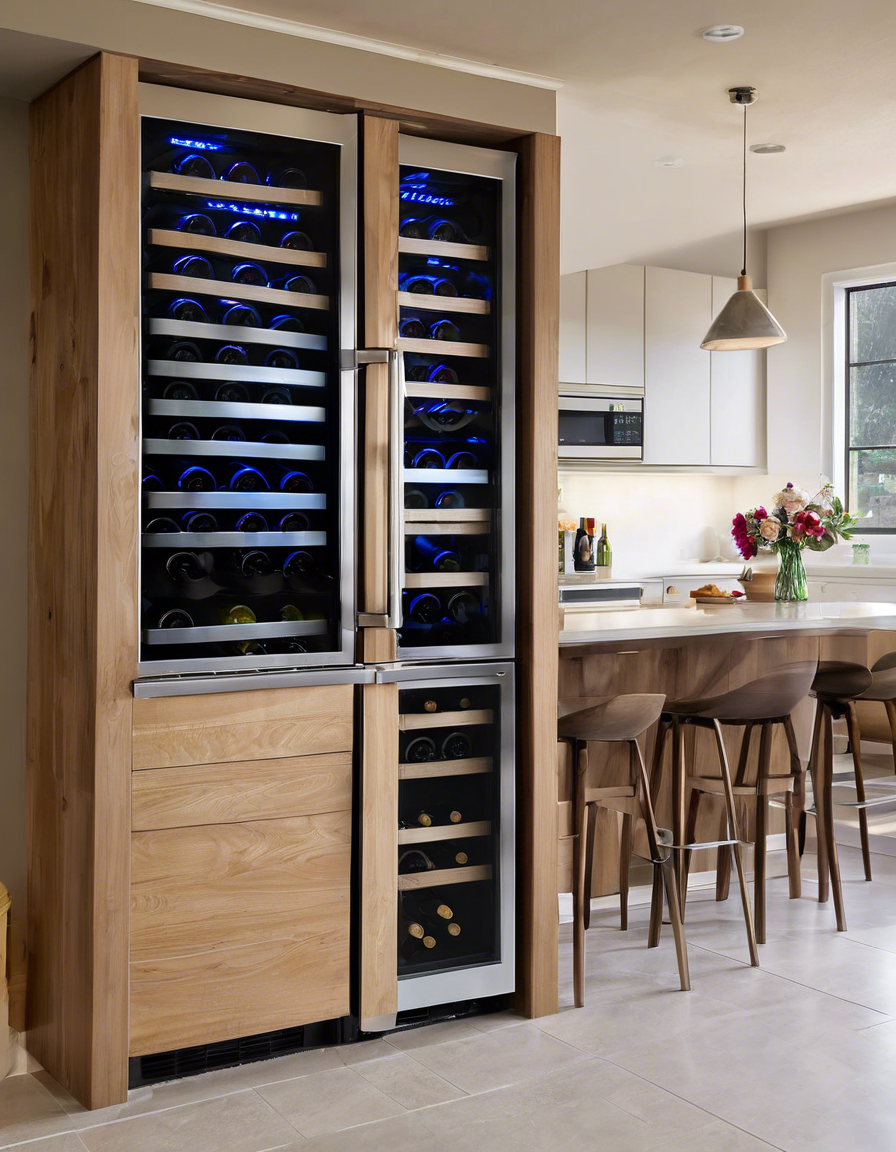
Finding the ideal temperature for your wine refrigerator is crucial for preserving your collection’s integrity and flavor. This guide delves into the science behind the perfect setting and how to tailor it for different wine styles, ensuring every bottle is served at its absolute best.
The Science Behind the Ideal Temperature Range
For long-term storage, a consistent temperature between 55°F (12.8°C) and 57°F (13.9°C) is widely considered the universal sweet spot. This range is not arbitrary; it is grounded in the science of wine aging. Temperatures that are too warm accelerate chemical reactions within the wine, leading to premature aging and cooked, flat flavors. Conversely, excessively cold temperatures can slow aging to a near halt, potentially dulling the wine’s development, and can cause corks to shrink, allowing harmful oxygen to seep into the bottle.
The importance of temperature stability cannot be overstated. Fluctuations of more than a few degrees are far more damaging than a constant, slightly imperfect temperature. These shifts cause the wine to expand and contract, which can push the cork out or allow air in, leading to oxidation. This is why a dedicated wine refrigerator is superior to a standard kitchen fridge, as it is specifically engineered to maintain both a precise and vibration-free environment.
Tailoring Temperature by Wine Type
While the 55°F standard is perfect for storage, serving temperatures vary significantly by wine style to highlight specific characteristics. Understanding these nuances is key to the full tasting experience.
Full-Bodied Red Wines (e.g., Cabernet Sauvignon, Syrah): Serve between 60-65°F (15-18°C). This slightly cooler-than-room-temperature range allows their complex tannins and bold fruit flavors to emerge without the alcohol becoming overpowering.
Light-Bodied Red Wines (e.g., Pinot Noir, Beaujolais): Best enjoyed at 55-60°F (12-15°C). A cooler serving temperature preserves their delicate aromatics and bright acidity.
White, Rosé, and Sparkling Wines: These wines are best served well-chilled. Aim for 45-50°F (7-10°C) for most white and rosé wines, and an even colder 40-45°F (4-7°C) for Champagne and other sparkling wines. The chill enhances their refreshing acidity and crispness. For a detailed breakdown on the perfect wine cooler temperature setting for every variety, expert resources can provide further guidance. A dual-zone wine refrigerator is an excellent solution for collectors who enjoy a diverse range of styles, allowing for simultaneous storage at two different temperatures.
In summary, the perfect wine refrigerator temperature is a balance of a stable long-term storage setting near 55°F and adjusted serving temperatures based on wine style. By adhering to these guidelines, you protect your investment from heat damage and oxidation, ensuring each bottle is presented with its intended aroma, flavor, and structure for the ultimate enjoyment.
RELATED POSTS
View all