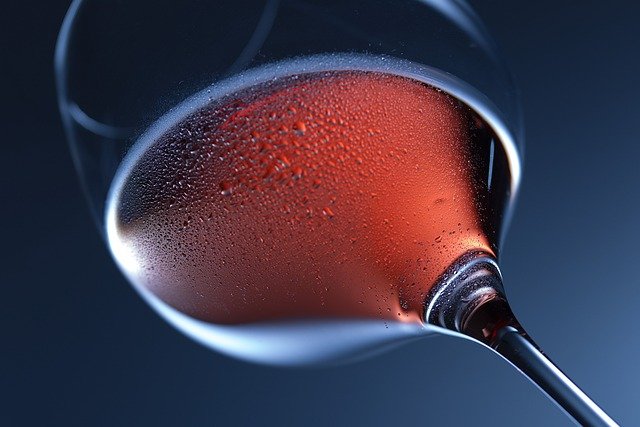
A bottle beverage cooler is an essential appliance for any connoisseur looking to preserve the integrity and flavor of their drinks. Far more sophisticated than a standard refrigerator, these coolers provide precise temperature and humidity control, creating the perfect environment for everything from fine wines to craft beers and sparkling waters. This article delves into the critical features that define a high-quality cooler and provides practical guidance for selecting the ideal model for your collection and space, ensuring your beverages are always served at their peak.
The Science of Optimal Beverage Preservation
The core function of a dedicated beverage cooler is to provide a stable, ideal climate that a typical kitchen refrigerator cannot. The most critical factor is precise temperature control. For instance, the ideal storage temperature for red wine is generally between 55°F and 65°F (12°C-18°C), while white wines and sparkling varieties require cooler temperatures of 45°F to 50°F (7°C-10°C). A study published in the Journal of Agricultural and Food Chemistry in 2018 highlighted how temperature fluctuations accelerate chemical reactions in wine, leading to premature aging and flavor degradation.
Beyond temperature, advanced coolers manage humidity and minimize UV exposure. Humidity levels around 50-70% prevent corks from drying out and letting oxygen spoil the beverage. Furthermore, dual-zone technology is a game-changer for collectors, allowing one compartment to be set for reds and another for whites simultaneously. For those seeking a unit that masters this scientific approach to preservation, exploring a specialized wine cooler is the logical next step.
Selecting the Right Cooler for Your Needs
Choosing the perfect cooler involves assessing your collection and available space. The first decision is between a freestanding model, which can be placed anywhere with proper ventilation, and a built-in unit designed to integrate seamlessly into your cabinetry. Next, consider capacity. A small 12-bottle unit may suffice for occasional drinkers, while serious enthusiasts might require a 100-bottle cellar.
Key features to prioritize include:
- Compressor Type: Compressor-based coolers are powerful and work well in warmer environments, while thermoelectric models are quieter, vibration-free, and better for smaller, more consistent spaces.
- Shelving Material: Look for sturdy, coated wire or, ideally, solid wood shelves, as they are more durable and minimize vibration.
- Door Style: Glass doors allow you to display your collection but should feature UV protection, while solid doors offer more insulation and are ideal for cellars with light exposure.
By carefully evaluating these factors against your personal requirements, you can invest in a bottle beverage cooler that not only protects your investment but also enhances your enjoyment for years to come.
In summary, a bottle beverage cooler is a vital tool for anyone serious about their drinks, offering the precise environmental control that standard refrigerators lack. From maintaining perfect temperature and humidity to protecting against harmful vibrations and light, the right cooler safeguards the quality and character of your collection. By understanding the essential features and carefully matching them to your specific needs, you can make an informed decision, ensuring every bottle you open is a perfect representation of the brewer’s or vintner’s craft.
RELATED POSTS
View all