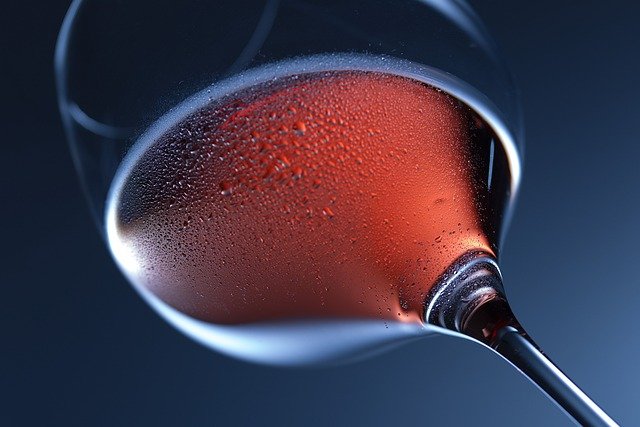
Storing white wine correctly is essential for preserving its delicate aromas and flavors. The single most critical factor in this process is maintaining the perfect serving and storage temperature. This article will guide you through the ideal temperature settings for different white wines and explain the science behind why getting it right matters so much for your enjoyment.
The Golden Rule: Ideal Serving Temperatures by Style
Not all white wines are created equal, and neither are their ideal serving temperatures. A one-size-fits-all approach will dull the nuances of a complex Chardonnay or overwhelm the subtlety of a light Pinot Grigio. The general rule of thumb is that lighter, crisper wines are best served colder, while fuller-bodied, oak-aged whites benefit from a slightly warmer temperature. For instance, a study published by the Journal of Agricultural and Food Chemistry in 2018 demonstrated that temperature significantly impacts the volatility of aroma compounds, directly affecting our perception of flavor.
Here is a practical breakdown for your white wine refrigerator:
- Light & Crisp (e.g., Pinot Grigio, Sauvignon Blanc): Serve well-chilled at 45-50°F (7-10°C). This temperature highlights their refreshing acidity and zesty citrus notes.
- Full-Bodied & Oak-Aged (e.g., Oaked Chardonnay, White Burgundy): Serve cooler than room temperature at 50-55°F (10-13°C). The slight warmth allows the complex flavors of vanilla, butter, and stone fruit to fully express themselves.
- Sparkling & Sweet Wines (e.g., Champagne, Riesling): Serve the coldest at 40-45°F (4-7°C). The intense chill preserves the bubbles in sparkling wines and balances the sweetness in dessert wines.
Why Precision Matters: The Science of Serving and Storing
Understanding the why behind these temperatures elevates you from simply following a rule to mastering wine appreciation. When a white wine is too cold, its aromatic compounds are muted. The subtle floral, fruity, and mineral notes that define a great wine are locked in, and you’re left tasting little more than sharp acidity. Conversely, a white wine that is too warm will taste overly alcoholic and flabby, losing its structure and refreshing quality.
This principle extends beyond serving to long-term storage. Consistent, correct storage temperature is vital for a wine’s evolution. The optimal wine cooler temperature for storing most white wines is a steady 50-55°F (10-13°C). Fluctuations in temperature cause the wine to expand and contract, which can push the cork out slightly and allow oxygen to seep in, prematurely aging and spoiling the wine. A dedicated wine cooler temperature setting provides this stability, ensuring your collection ages gracefully and is always ready to be served at its peak.
In summary, mastering your white wine refrigerator’s temperature is a simple yet profound step toward maximizing enjoyment. By serving light, crisp wines colder and fuller-bodied styles slightly warmer, you unlock their full spectrum of flavors and aromas. Remember that consistent, cool storage is equally important for preservation. Embracing these temperature guidelines ensures that every bottle you open is a perfect representation of the winemaker’s intent.
RELATED POSTS
View all