The Ultimate Guide to Heavy-Duty Commercial Ice Makers: Durability, Setup & Safety
Selecting the right commercial ice maker is crucial for any foodservice operation’s efficiency and profitability. This guide delves into the core features, essential installation requirements, and critical safety protocols for a durable, stainless steel unit designed for demanding environments. Understanding these aspects ensures optimal performance, longevity, and safe operation of your vital ice-making equipment, like the heavy-duty commercial ice maker.
Engineering for Commercial Endurance
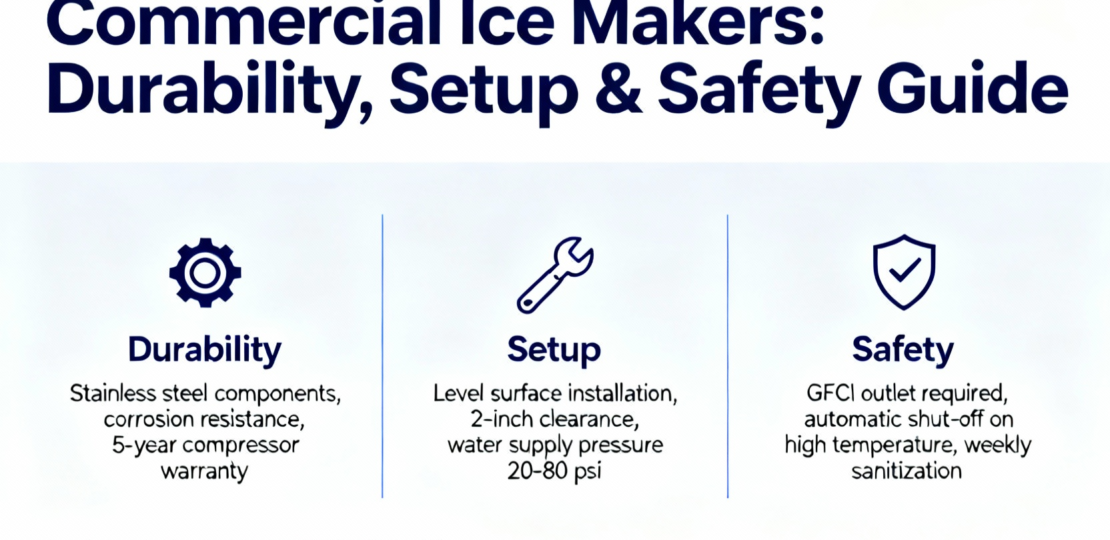
A true heavy-duty commercial ice maker is defined by its construction and components. The use of 304-grade stainless steel is industry-standard for its corrosion resistance, ease of cleaning, and durability against constant use. This aligns with commercial kitchen best practices for hygiene and longevity. The specified climate type compatibility (SN, N, ST) indicates the unit is engineered to perform reliably in varied ambient temperatures, from subtropical to temperate environments, a critical factor for kitchens with variable conditions. Furthermore, the adoption of R290 (propane) refrigerant is a forward-thinking choice. As noted in discussions on environmental impact, natural refrigerants like R290 have a significantly lower Global Warming Potential (GWP) compared to traditional HFCs, making them a more sustainable choice as regulations evolve (Wikipedia, List of refrigerants).
Critical Installation & Setup Protocols
Proper installation is non-negotiable for performance and warranty adherence. The requirement for a potable water supply and specific water pressure (14.5-58 psi) is fundamental. Inadequate pressure can lead to slow ice production or machine faults, while excessive pressure risks damaging internal valves. As seasoned users on forums like r/KitchenConfidential often stress, planning for proper drainage is equally vital. The drain line must have a continuous downward slope, as the machine relies on gravity drainage for wastewater and meltwater. Failing to do this can cause internal water accumulation, sanitation issues, and machine failure. A key, often overlooked step is the 24-hour settling period after delivery. This allows the compressor oil, which may have shifted during transport, to settle back, preventing compressor damage upon startup—a point frequently validated by technician advice shared on appliance repair subreddits.
Operational Safety and Best Practices
Safety in a busy commercial setting is paramount. The manufacturer’s notes align with standard electrical and fire safety codes. The prohibition on extension cords is critical due to the high, sustained power draw (780W); using one can cause overheating and is a documented fire hazard. The instruction to maintain clearance (at least 5.9 inches) on all sides ensures adequate airflow for the condenser, preventing overheating and inefficient operation. Placing the unit away from heat sources like stoves or direct sunlight is also essential for efficiency. Importantly, using only water to make ice prevents damage to the evaporator plate and potential contamination of the ice supply. These operational guidelines are not mere suggestions but are integral to the safe and reliable function of your commercial stainless steel ice maker.
Maximizing Longevity and Performance
To protect your investment, understanding environmental factors is key. The note that ambient temperature influences ice production time is crucial. In a hot kitchen, the unit will work harder and cycle more frequently to produce the same amount of ice compared to a cooler, well-ventilated space. This underscores the importance of the installation environment chosen. Furthermore, the built-in three-prong plug and 70-inch cord indicate a proper grounding system (Safety Protection Type I), which is essential for user safety. For long-term care, establishing a regular cleaning and descaling schedule based on your water hardness is imperative. Hard water leads to mineral buildup that reduces efficiency and can lead to premature failure, a common topic of maintenance questions in hospitality forums. Choosing a robust model designed for commercial duty is the first step; proper care ensures it becomes a lasting asset.
Conclusion
Investing in a commercial ice maker is a significant decision that impacts daily operations. This analysis highlights that a superior unit, such as the featured heavy-duty commercial ice maker, combines durable stainless steel construction with modern, eco-friendly R290 refrigerant and broad climate compatibility. However, its engineered potential is only realized through meticulous adherence to installation protocols—including proper water supply pressure, mandatory drainage setup, and the critical settling period. Operational safety, governed by electrical guidelines and placement away from heat, is non-negotiable for risk prevention. Finally, recognizing that factors like ambient temperature and water quality directly affect performance allows operators to proactively manage maintenance. By synthesizing robust engineering with informed installation, diligent safety practices, and ongoing environmental management, businesses can ensure their ice maker delivers reliable, clean ice production, supporting seamless service and contributing to the bottom line for years to come.