


Integrating a cabinet over range hood is a popular kitchen design choice that blends ventilation with storage. This approach offers a seamless, built-in look but requires careful planning. This article explores the key considerations for this installation, from design cohesion to crucial functional requirements for optimal performance and safety.
Design Integration and Aesthetic Appeal
The primary motivation for placing a cabinet over range hood is to achieve a cohesive, custom-built kitchen aesthetic. By enclosing the hood, you create a continuous line of cabinetry that visually expands the space and offers a cleaner, more upscale look compared to a standalone stainless steel canopy. This method is ideal for traditional, transitional, or modern farmhouse styles where a streamlined appearance is desired.
However, this integration demands meticulous planning. The cabinet’s interior must be properly sized to house the hood’s mechanical components, and the cabinet door may need to be custom-built with a cutout or designed as a false front that doesn’t open. The goal is to ensure the cabinet over range hood looks intentional and built-in, not like an afterthought that compromises the kitchen’s flow.
Functional Requirements and Safety Considerations
While aesthetics are important, function and safety are paramount. A range hood must effectively remove smoke, grease, and cooking odors. Enclosing it within a cabinet introduces several critical factors. First, you must ensure there is adequate space for the required ductwork, which typically needs to vent to the outside for best performance. The cabinet interior and any surrounding materials must be constructed of heat-resistant, non-combustible materials to meet fire safety codes.
Furthermore, accessibility for cleaning and future maintenance or repairs is a crucial yet often overlooked aspect. The cabinet design should allow for relatively easy access to the hood’s filters, lights, and motor. Choosing the right type of hood is also essential; insert or under-cabinet models are specifically designed for this purpose, whereas many ductless or decorative hoods are not suitable for enclosure.
Installing a cabinet over range hood successfully merges form and function, creating a sleek kitchen profile without sacrificing ventilation power. It requires a focus on both seamless design integration and strict adherence to safety and performance guidelines. By carefully planning for ducting, materials, and access, you can achieve a beautiful and highly functional kitchen centerpiece.
RELATED POSTS
View all

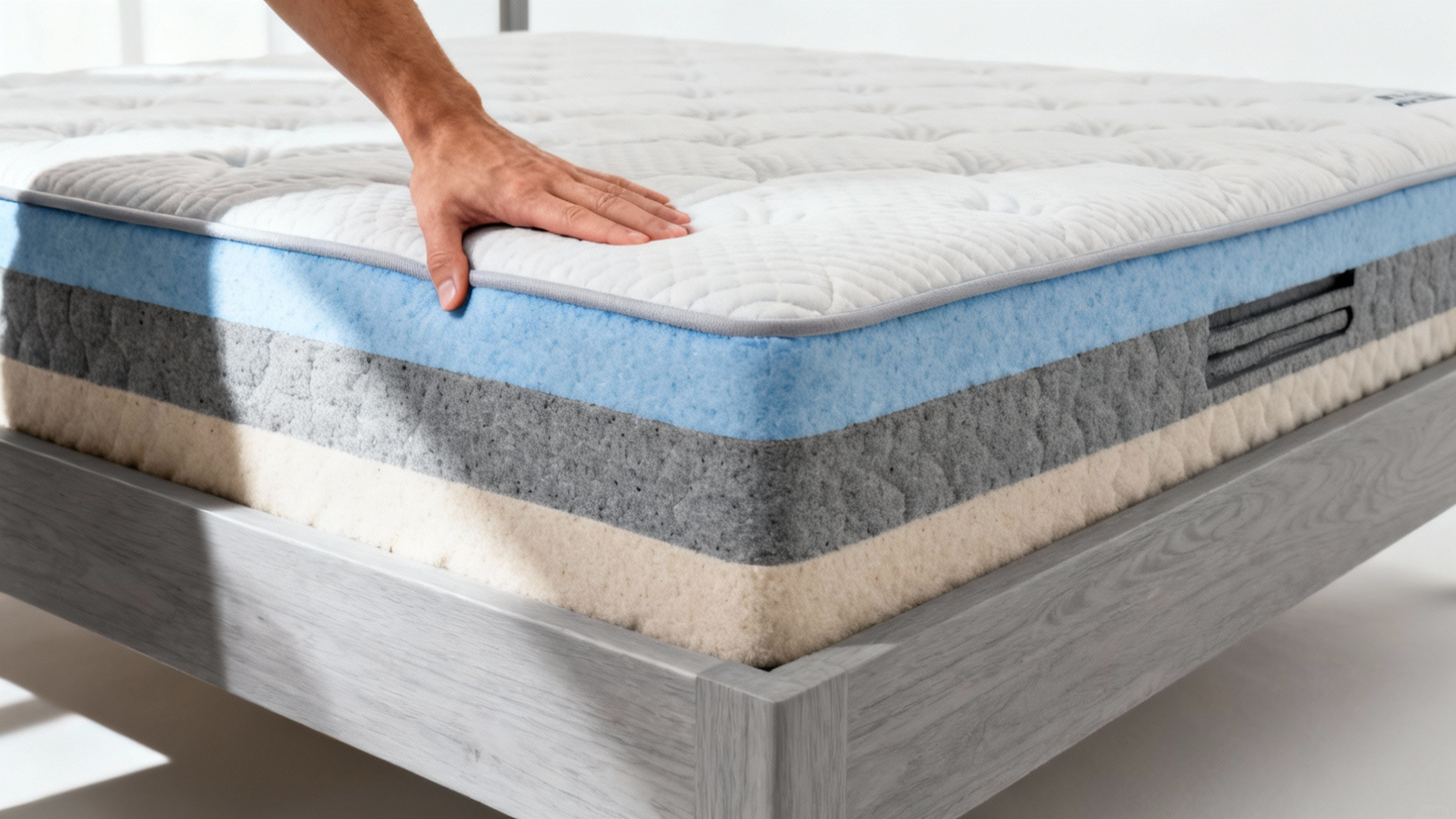
12-Inch Mattress: Multi-Layer Support & Motion Isolation
January 11, 2026 | by li, moniker

14″ Mattress: Cool Memory Foam & Pocket Spring Support
November 30, 2025 | by li, moniker
