Choosing the right commercial ice maker is a critical decision for any food service business or serious entertainer. This article delves into the key features that define a superior unit, using the Tittla 14-inch stainless steel ice maker as a benchmark. We’ll explore performance, intelligent design, operational efficiency, and versatile installation to help you understand what makes a high-capacity ice machine a worthwhile investment.
Performance and Capacity: The Heart of Reliability
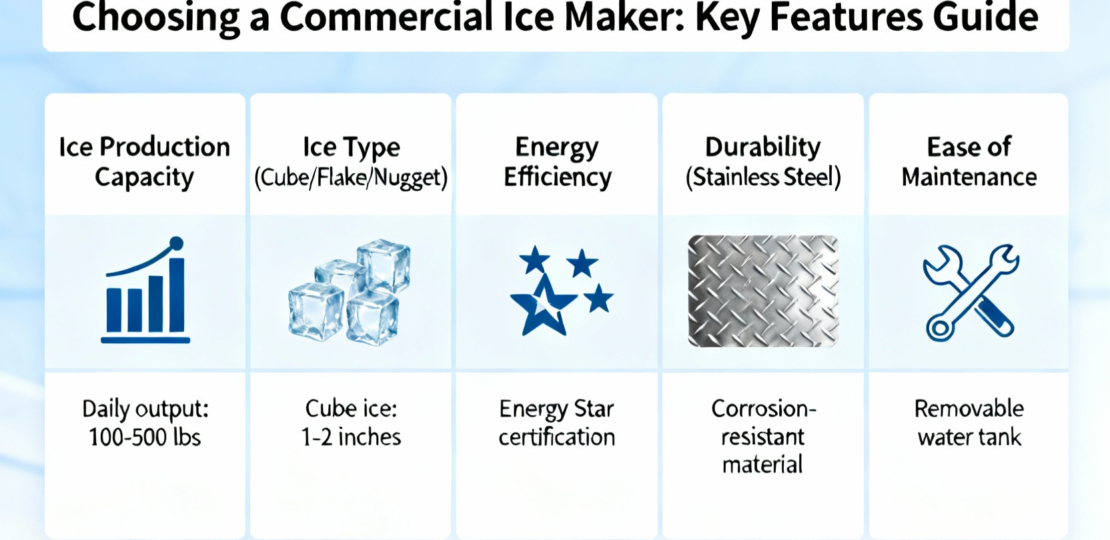
At its core, an ice maker’s value is defined by its daily production and storage. A unit like the Tittla 14-inch 88-pound ice maker is engineered for demanding environments, producing up to 88 pounds of crystal-clear ice every 24 hours. This level of output is essential for preventing the costly and disruptive scenario of running out of ice during peak service, a common pain point noted in hospitality discussions on Reddit. As noted on Wikipedia, commercial ice machines are categorized by production capacity, and this output places it firmly in the medium to high-capacity range suitable for bars, small restaurants, and high-volume events.
Intelligent Design for User Convenience
Modern ice makers go beyond simple freezing. Features like adjustable cube size allow for customization based on beverage type—a larger cube for slow-melting whiskey, a smaller one for quick-chilling soda. The inclusion of a self-cleaning function is a critical hygiene feature, mitigating the mold and scale buildup that can plague poorly maintained units. User-friendly interfaces, such as the described blue LED lighting, reduce operational errors. These design considerations directly address user frustrations shared in forums, where complexity and maintenance are frequent complaints, underscoring the importance of smart, thoughtful engineering in commercial appliances.
Quiet Efficiency and Operational Integrity
Noise level and energy consumption are significant factors, especially in open-plan spaces or during long operating hours. The use of an upgraded compressor technology is key here. Such compressors are designed to deliver powerful cooling while minimizing vibration and sound, a feature highly valued by users in residential or quiet commercial settings. This efficiency translates to lower long-term energy costs and reduced ambient noise, creating a more pleasant environment. Discussions on appliance subreddits often highlight the disruptive noise of older or cheaper ice makers, making quiet operation a sought-after premium feature that signifies quality internal components.
Installation Versatility and Final Considerations
The choice between built-in and freestanding installation offers crucial flexibility. A built-in installation provides a streamlined, professional look for permanent bar or kitchen setups, while freestanding mobility allows the unit to be relocated as needs change—ideal for catering or seasonal businesses. This dual-option design future-proofs your purchase. When evaluating a commercial ice maker, it’s vital to consider not just the upfront specs but this long-term adaptability, ensuring the machine can evolve with your service demands.
In summary, selecting a commercial ice maker requires a balanced assessment of raw performance, user-centric design, operational quietness, and installation flexibility. A model exemplifying these traits, like the Tittla 14-inch unit discussed, demonstrates how high daily production (88 lbs.) meets practical features such as self-cleaning and adjustable cube size. The emphasis on a quiet, efficient compressor directly responds to widespread user priorities for non-disruptive operation. Furthermore, the built-in or freestanding versatility ensures the appliance can adapt to various commercial or high-end residential layouts. Ultimately, a superior ice maker is not just an appliance but a reliable partner in service, designed to eliminate the worry of ice shortage while integrating seamlessly into your workflow through intelligent, durable engineering. Investing in a unit with these comprehensive features secures consistent performance, hygiene, and convenience, forming a foundational element for any successful beverage service.
RELATED POSTS
View all