Commercial Ice Maker Guide: Installation, Safety & Performance
January 7, 2026 | by li, moniker
Selecting the right commercial ice maker is a critical decision for any foodservice business. This guide delves into the essential features, proper installation, and vital safety protocols for a heavy-duty stainless steel model, ensuring you maximize its performance and longevity in demanding environments like restaurants, bars, and hotels.
Engineering for Endurance: Core Features & Build Quality
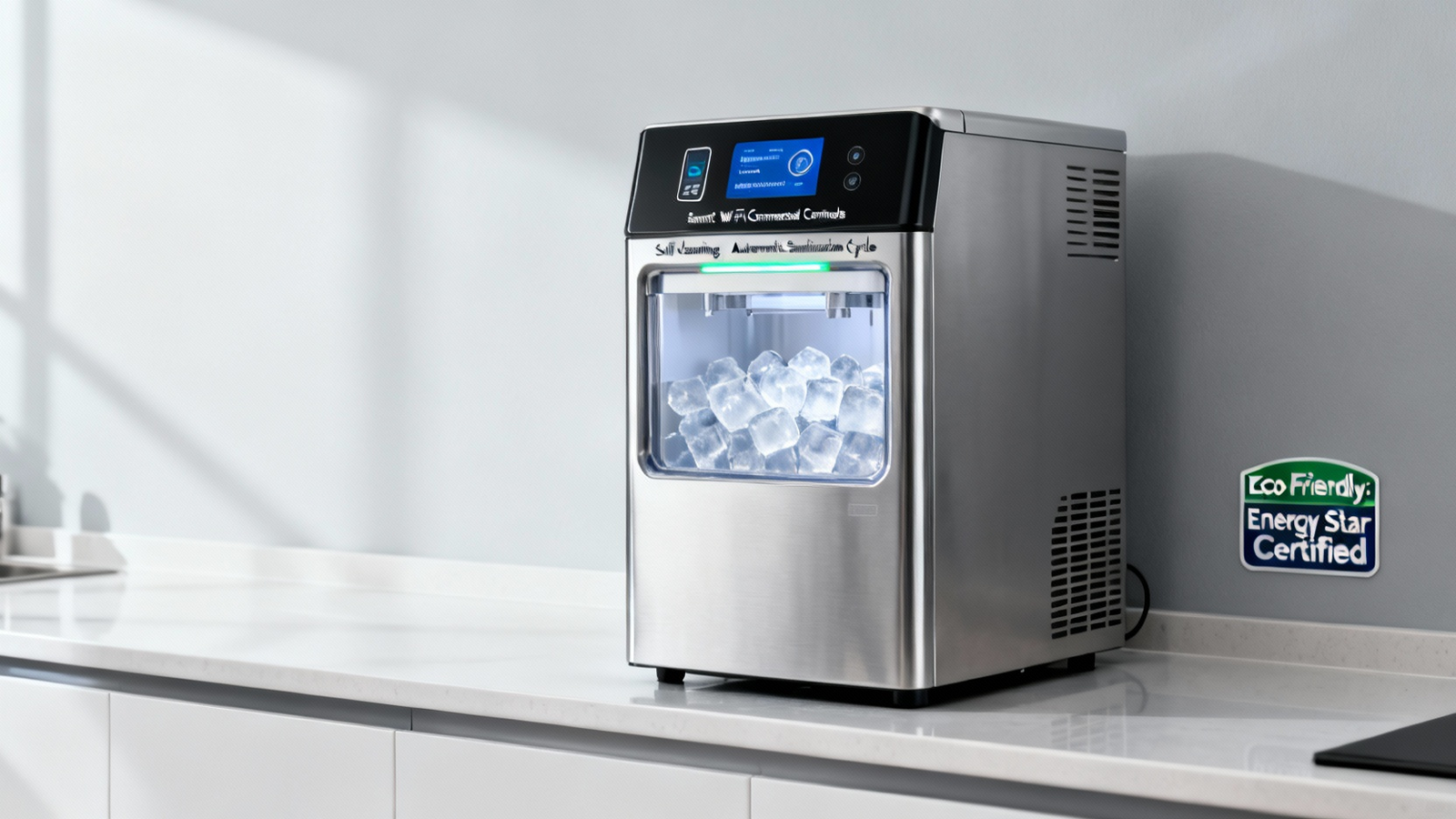
This ice maker’s design centers on durability and operational efficiency. The stainless steel construction is not just for aesthetics; it provides superior corrosion resistance, essential for the high-moisture environment of ice production and for meeting strict commercial kitchen hygiene standards. Its compatibility with climate types SN, N, and ST indicates a robust compressor system engineered for reliable performance in varied ambient temperatures, from subtropical to temperate zones. The use of R290 (propane) refrigerant is a forward-thinking choice. As noted in discussions on environmental technology, R290 has a significantly lower Global Warming Potential (GWP) than traditional HFCs, aligning with global phase-down schedules like those outlined in the Kigali Amendment to the Montreal Protocol [Wikipedia: Kigali Amendment]. This makes the unit both powerful and environmentally responsible.
Strategic Installation: Space, Plumbing, and Power
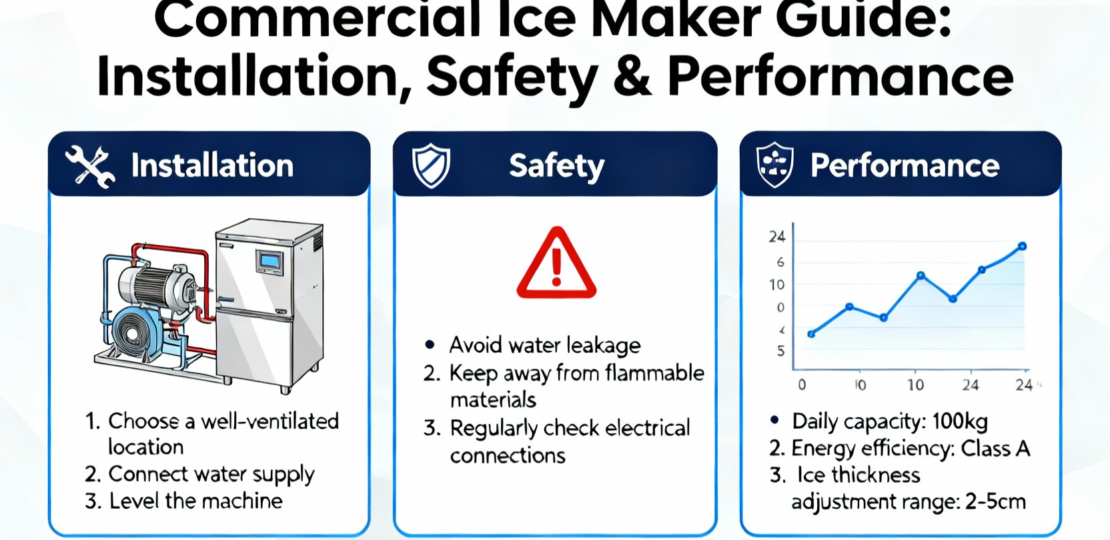
Proper installation is the foundation of reliable operation. The requirement for a drinking water supply is non-negotiable, as contaminated water can affect ice quality and machine internals. Critical spatial requirements include maintaining at least 5.9 inches of clearance on all sides. This allows for essential airflow around the condenser, preventing overheating and compressor failure—a common point of failure highlighted in HVAC technician forums on Reddit [Reddit: r/refrigeration]. Electrical safety is paramount: the included three-prong plug and 70-inch cord are designed for the unit’s 780W draw. Using an extension cord, as the manual warns, can cause voltage drop and overheating, creating a serious fire hazard.
Critical Startup and Operational Protocols
Neglecting initial setup steps can lead to immediate damage. The 24-hour upright settling period after delivery is crucial. If the unit was tilted during transport, oil can migrate from the compressor into the refrigerant lines. Starting it immediately can cause catastrophic compressor seizure, as the oil is not in the sump to lubricate moving parts. Furthermore, connecting the gravity drain pipe before first use is essential. As ice melts during the harvest cycle, water must drain freely. A blocked or improperly sloped drain (outlet lower than the machine’s port) will cause internal flooding, leading to water damage, ice clumping, and potential electrical issues. For a unit built to this specification, such as the heavy-duty commercial ice maker, following these steps protects your investment from day one.
Optimizing Performance and Ensuring Safety
Long-term reliability hinges on environment and maintenance. Placing the unit away from direct sunlight, stoves, or radiators prevents the system from overworking to reject additional ambient heat, which directly impacts ice production time and energy efficiency. Monitoring water pressure (14.5-58 psi) is also key; pressure outside this range can lead to poor ice formation or valve damage, necessitating a pressure changeover valve. Finally, using only pure water to make ice cannot be overstated. Introducing other liquids can corrode internal components, contaminate the ice batch, and void the warranty. This focus on correct operation ensures the commercial stainless steel ice maker delivers consistent, clean ice safely.
In conclusion, a commercial ice maker is a significant investment that demands careful consideration beyond its basic specifications. This heavy-duty model, with its durable stainless steel build, environmentally conscious R290 refrigerant, and wide climate compatibility, is engineered for demanding 24/7 operations. However, its potential is fully realized only through meticulous installation—ensuring proper clearance, water supply, and drainage—and strict adherence to safety and operational protocols. From the critical 24-hour settling period after delivery to maintaining the correct ambient environment and water pressure, each step directly influences machine longevity, ice quality, and operational safety. By understanding the engineering principles behind features like the three-prong plug and gravity drain, and heeding expert advice from technical communities, operators can avoid common pitfalls. Ultimately, choosing a robust stainless steel ice maker and committing to its proper care ensures a reliable supply of ice, safeguarding both your business operations and your capital investment for years to come.
RELATED POSTS
View all