Choosing the right wine cooler is essential for any enthusiast looking to preserve and age their collection properly. This guide will explore the primary types of wine coolers available, delving into their unique cooling technologies and the specific advantages they offer. Understanding these differences is the first step to ensuring your wine is stored in an optimal environment, ready to be enjoyed at its best.
Core Cooling Technologies: Compressor vs. Thermoelectric
The fundamental division in the world of wine coolers lies in their cooling mechanism. The two main technologies are compressor-based and thermoelectric, each with distinct operational principles and performance characteristics.
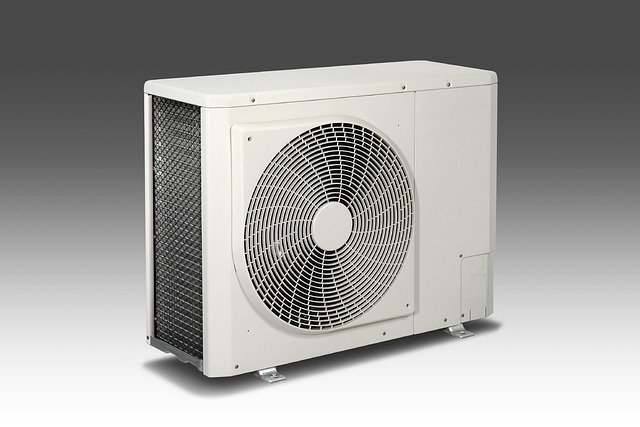
Compressor Coolers operate much like a standard household refrigerator. They use a refrigerant and a compressor to actively cool the interior. This system is powerful and highly effective, making it ideal for larger collections, warm or humid environments, and achieving lower storage temperatures. A key advantage is their robustness; a study by the American Society of Heating, Refrigerating and Air-Conditioning Engineers (ASHRAE) has long documented the reliability of vapor-compression cycles for consistent cooling. However, this power comes with slight vibrations and a higher energy consumption compared to their counterparts.
In contrast, Thermoelectric Coolers use the Peltier effect, a solid-state process that creates a heat flux between two different types of materials when an electric current passes through them. This technology is vibration-free, which is crucial for aging fine wines that can be disturbed by constant micro-vibrations. They are also generally quieter and more energy-efficient for smaller units. The main trade-off is a limited cooling range; they struggle in ambient temperatures above 70°F (21°C) and are best suited for smaller, ready-to-drink collections in climate-controlled spaces. For a detailed breakdown, this resource on the difference between compressor and thermoelectric wine coolers provides an excellent comparison.
Choosing the Right Configuration for Your Collection
Beyond the cooling technology, the physical design and configuration of your wine cooler are critical. The two main considerations are temperature zones and the unit’s physical build, which directly impact how you organize and age your wines.
Single-Zone vs. Dual-Zone Coolers: A single-zone unit maintains one uniform temperature throughout the entire cabinet. This is perfect if you primarily collect one type of wine, such as all reds or all whites. Dual-zone (or multi-zone) coolers feature two separate compartments with independent temperature controls. This allows you to store reds at their ideal 55-65°F (12-18°C) and whites at a crisper 45-50°F (7-10°C) simultaneously. This flexibility is invaluable for diverse collections.
Built-In vs. Freestanding Models: Your installation space also dictates your choice. Freestanding units require clearance on all sides for ventilation and can be placed anywhere. Built-in (or integrated) models are designed for seamless installation into kitchen cabinetry or under counters. They feature front-venting systems that allow them to fit snugly without overheating. When selecting between different types of wine coolers, considering your space constraints is as important as the cooling technology itself.
Ultimately, the perfect wine cooler balances technology with your specific needs. Your choice hinges on whether you require the powerful, versatile cooling of a compressor system or the quiet, vibration-free operation of a thermoelectric unit. Factor in the size and diversity of your collection to decide between single or dual zones, and measure your space to determine if a freestanding or built-in model is required. By carefully considering these wine cooler types, you can invest in a storage solution that will protect and enhance your wine for years to come.
RELATED POSTS
View all