


Elevating both kitchen air quality and aesthetic appeal, the cylinder range hood has become a centerpiece in modern kitchen design. This article delves into the unique benefits of these sleek appliances, exploring how their powerful performance and versatile style can transform your cooking space. We will guide you through the key considerations for selecting and integrating the perfect model into your home.
The Allure of Form and Function
The defining characteristic of a cylinder range hood is its elegant, chimney-like silhouette. This minimalist design is more than just visually striking; it serves a practical purpose by eliminating bulky cabinetry, creating a sense of openness and making it an ideal focal point for kitchens with high ceilings or open-plan layouts. Unlike traditional under-cabinet models, a freestanding cylinder hood makes a bold design statement, often finished in premium materials like stainless steel, brass, or custom-colored panels to complement any decor.
However, its beauty is matched by robust performance. Modern cylinder hoods are engineered with powerful extraction systems. For instance, leading manufacturers began incorporating high-capacity, yet quiet, German-engineered DC motors around the early 2020s, which revolutionized their efficiency. These motors can move impressive volumes of air—often exceeding 600 cubic feet per minute (CFM)—effectively capturing smoke, grease, and cooking odors at the source. This ensures your kitchen remains free of airborne pollutants and lingering smells, a claim substantiated by performance certifications from organizations like the Home Ventilating Institute (HVI).
Selecting and Installing Your Perfect Hood
Choosing the right cylinder range hood requires careful consideration of two main factors: power and placement. The required extraction power is determined by your cooking habits and kitchen size. A simple calculation involves multiplying your kitchen’s cubic footage by 15 (the number of air changes per hour recommended by professional chefs) to find the minimum CFM rating you need. For example, a 150-square-foot kitchen with 10-foot ceilings would require a hood rated for at least 1,500 x 15 / 60 = 375 CFM.
Installation is equally critical for optimal performance. The hood must be positioned at the correct height above your cooktop, typically 24 to 30 inches for electric stoves and 30 to 36 inches for gas ranges. Proper ductwork that vents to the outdoors is non-negotiable for effective removal of contaminants; recirculating kits with carbon filters are a less effective alternative. Ensuring a professional installation guarantees that your chosen cylinder hood operates at peak efficiency, protecting your indoor air quality as highlighted by the Environmental Protection Agency’s (EPA) reports on the importance of ventilation for reducing indoor pollutant levels.
In summary, the cylinder range hood successfully merges high-performance ventilation with sculptural elegance, making it a superior choice for the contemporary kitchen. Its powerful motor technology ensures a clean and odor-free environment, while its versatile design enhances the room’s visual appeal. By carefully selecting the correct size and ensuring professional installation, you can invest in a kitchen centerpiece that offers both impeccable style and undeniable substance for years to come.
RELATED POSTS
View all

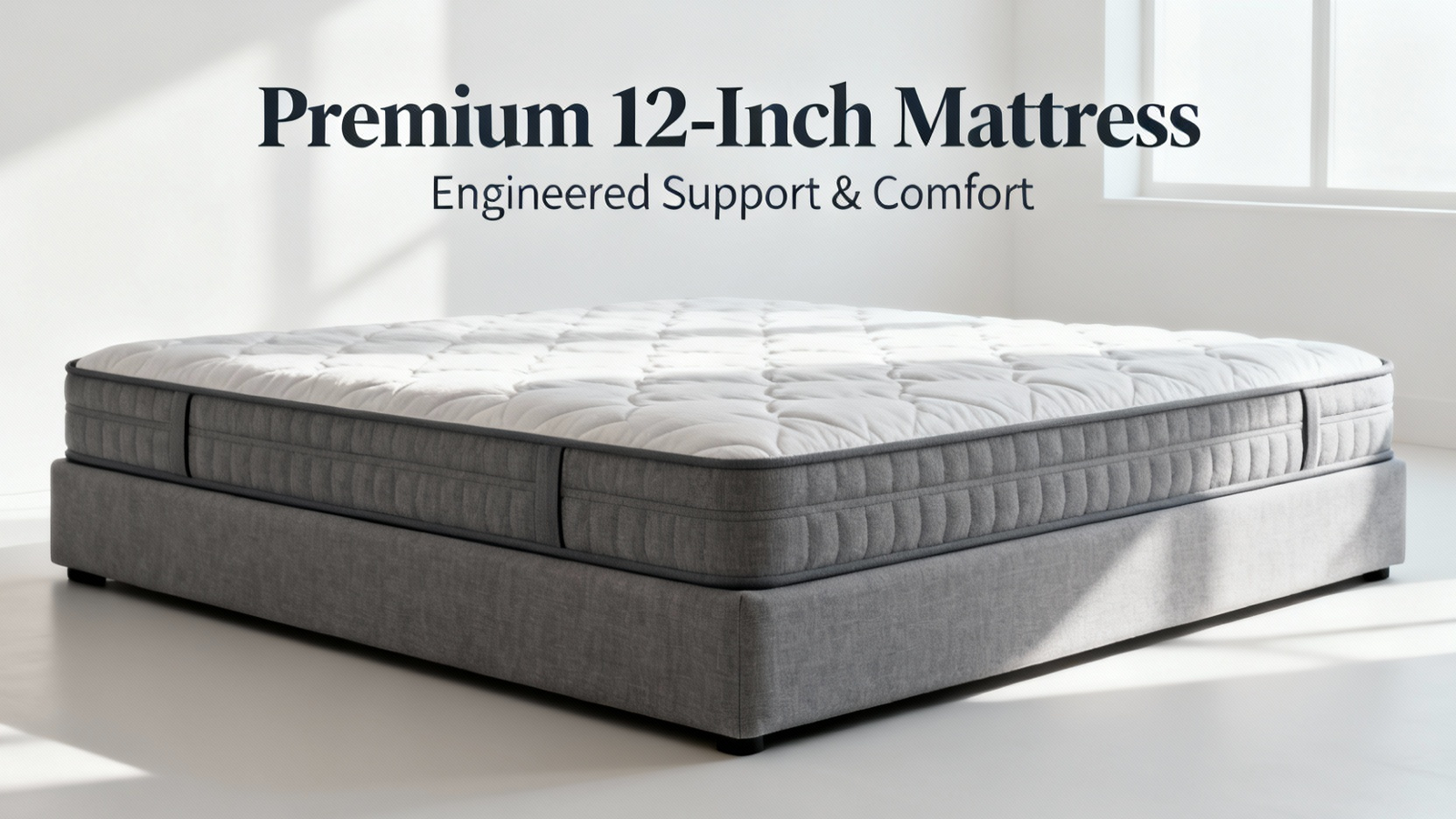
Premium 12-Inch Mattress: Engineered Support & Comfort
January 19, 2026 | by li, moniker


14-Inch Luxury Mattress: Multi-Layer Support & Comfort
December 1, 2025 | by li, moniker