Storing wine at the correct temperature is fundamental to preserving its character and complexity. This article delves into the ideal settings for your wine fridge, explaining why a single temperature isn’t suitable for all wines and how to optimize conditions for both short and long-term storage.
The Golden Rule: Not All Wines Are Created Equal
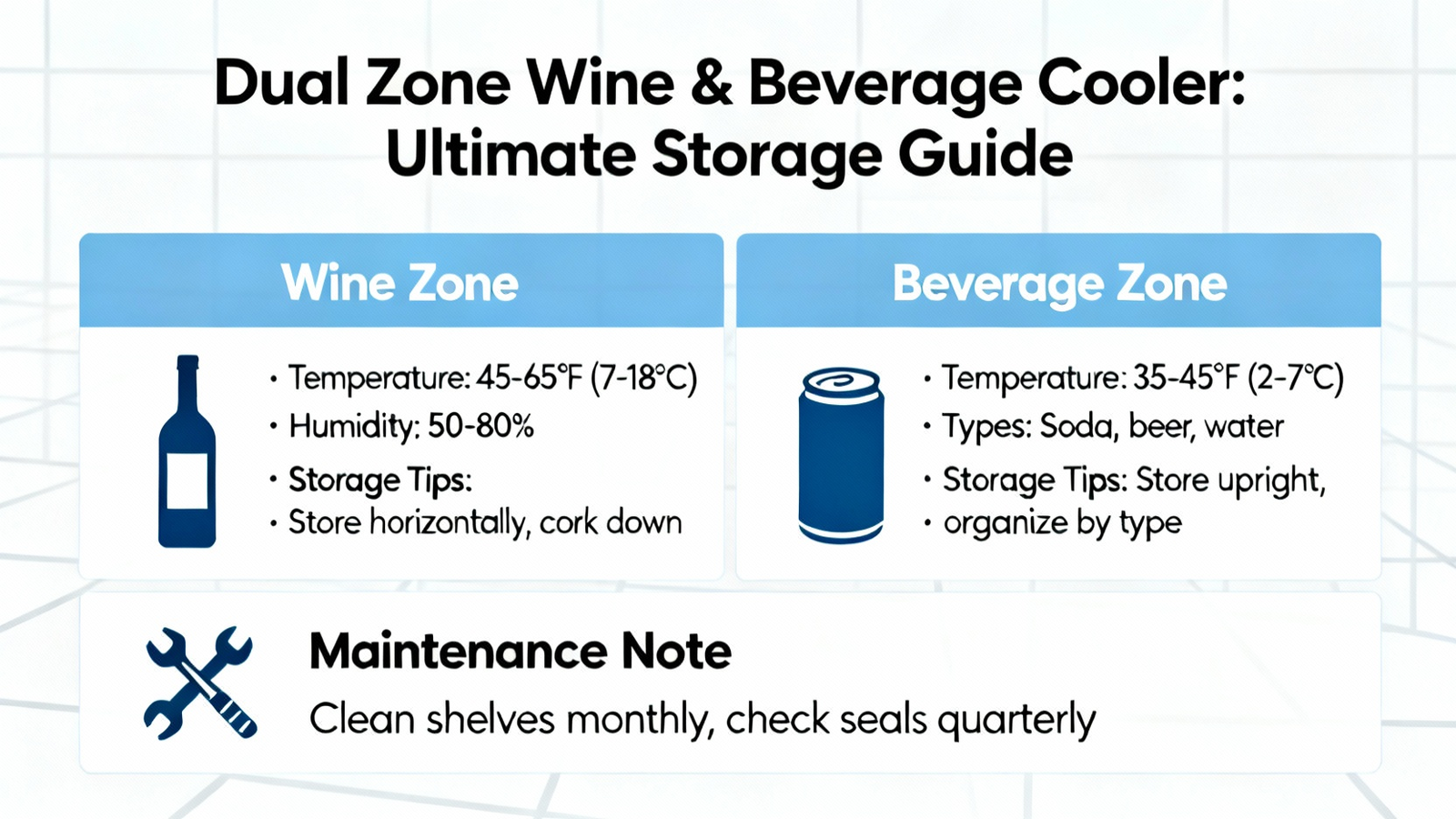
Contrary to popular belief, there is no universal “perfect” temperature for all wine. The ideal setting depends heavily on the style of wine you are storing. Serving and storing wine at the wrong temperature can mute its aromas, flatten its flavors, or even accelerate its aging process. The general safe range for storage is between 45°F and 65°F (7°C and 18°C), but drilling down further is key.
For precise guidance on various styles, a resource like this guide on the optimal wine cooler temperature setting for every variety of wine is invaluable. As a rule of thumb, light white wines, rosés, and sparkling wines thrive at colder temperatures, between 40°F and 50°F (4°C and 10°C). Full-bodied whites and light reds are best a bit warmer, from 50°F to 60°F (10°C to 15°C). Most robust red wines reach their peak expression between 60°F and 65°F (15°C and 18°C).
Beyond the Basics: Serving vs. Storage and Humidity
It’s crucial to distinguish between long-term storage temperature and serving temperature. Your wine fridge’s primary job is to maintain a constant temperature for preservation, which is often slightly warmer than ideal serving temp. For instance, you might store a red wine at 58°F (14°C) but chill it in the fridge for 15 minutes before serving to bring it down to a perfect 62°F (17°C). This prevents the wine from warming up too quickly in the glass.
Furthermore, temperature is just one part of the equation. Humidity plays a vital supporting role. A relative humidity level of around 50-70% is ideal. This prevents corks from drying out and shrinking, which would allow oxygen to seep in and spoil the wine. Modern wine fridges are designed to maintain this balance, protecting your investment from both temperature fluctuations and cork failure. For those building a collection, understanding the complete picture of wine storage is essential for aging bottles gracefully.
Ultimately, mastering your wine fridge temperature is about understanding the needs of your collection. By tailoring the environment to different wine styles and respecting the roles of consistent temperature and proper humidity, you ensure every bottle is preserved perfectly and enjoyed at its absolute best when opened.
RELATED POSTS
View all