Mini Fridge for Beer and Wine: The Ultimate Guide
September 30, 2025 | by li, moniker

Choosing the right mini fridge for beer and wine is about more than just cooling your drinks. It’s about preserving flavor, aroma, and the integrity of your favorite beverages. This guide will delve into the critical differences between standard mini-fridges and specialized beverage coolers, helping you understand why the right temperature and technology are paramount for the perfect sip every time.
The Science of Serving: Why Temperature Matters
Not all drinks are created equal, and neither are their ideal serving temperatures. Beer and wine have specific chemical compositions that are highly sensitive to their environment. Serving a lager at the same temperature as a rich Cabernet Sauvignon can mute its flavors and aromas. According to a 2019 study published in the Journal of Food Science, the volatility of aroma compounds in beer is directly influenced by temperature, with cooler temperatures suppressing the release of key flavor notes. Similarly, the Wine & Spirit Education Trust (WSET) has long taught that white wines are typically served between 45-55°F (7-13°C), while reds are best between 55-65°F (13-18°C). A standard kitchen refrigerator operates at around 37°F (3°C), which is far too cold for most wines and many craft beers, numbing the palate and hiding the beverage’s complexity.
Features of a Dedicated Beverage Cooler
This is where a purpose-built mini fridge shines. Unlike a basic mini-fridge, these units are engineered with specific features to protect and showcase your collection. Key differentiators include:
- Dual-Zone Temperature Control: High-end models offer two separate compartments with independent thermostats. This allows you to chill white wine and red wine simultaneously at their respective perfect temperatures, or keep beer and wine in the same unit without compromise.
- UV-Protected Glass Doors: Light, especially sunlight, is a major enemy of both beer and wine, causing “lightstruck” flavors in beer and premature aging in wine. Tempered, tinted glass doors filter out harmful rays while allowing you to display your collection.
- Vibration Reduction: The compressors in standard fridges create constant vibration, which can disturb the sediment in wine and potentially disrupt the aging process. Specialized beverage centers use advanced compressor technology or insulation to minimize these vibrations.
Investing in a dedicated cooler means you are investing in the quality of your beverages, ensuring every bottle and can is stored and served as the brewer or vintner intended. You can explore a variety of these specialized beer and wine coolers designed for this exact purpose.
Ultimately, selecting a mini fridge for beer and wine is a decision that impacts your enjoyment. While a standard mini-fridge can cool your drinks, a dedicated beverage cooler preserves their character, complexity, and quality. By understanding the importance of precise temperature control, UV protection, and stable storage, you can make an informed choice that elevates your home bar or kitchen, guaranteeing that every drink you serve is a perfect representation of its craft.
RELATED POSTS
View all

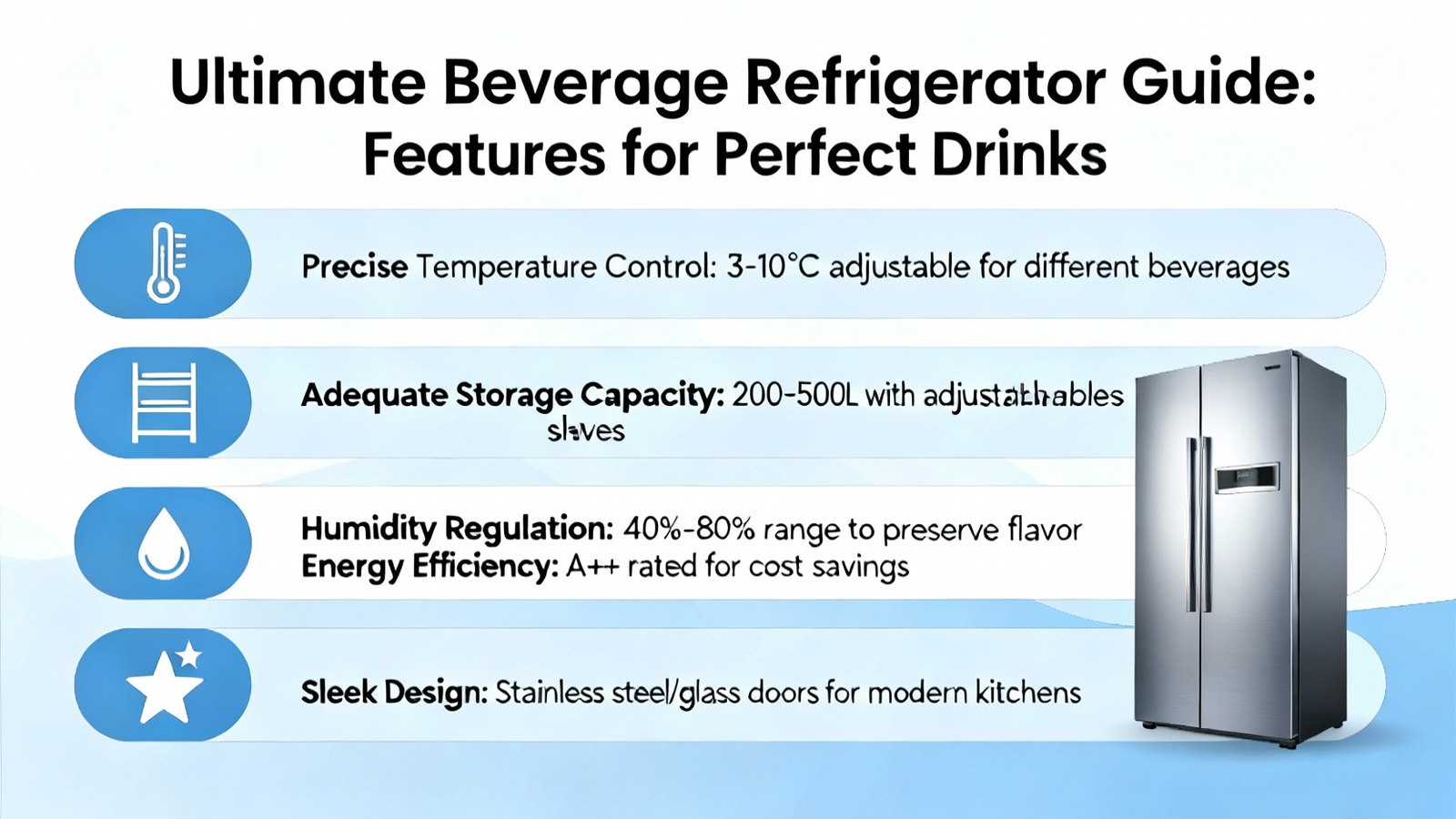
Ultimate Beverage Refrigerator Guide: Features for Perfect Drinks
January 7, 2026 | by li, moniker

Beverage Refrigerator Guide: Key Design and Function Features
December 10, 2025 | by li, moniker