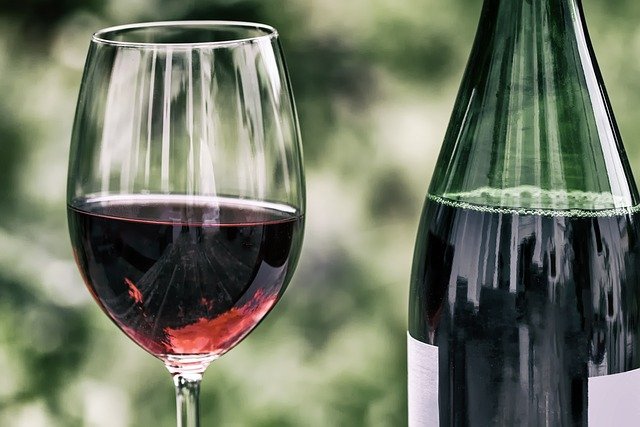
Perfect Wine Storage: The Ideal 55°F Temperature Guide
September 7, 2025 | by li, moniker

Storing wine at the perfect temperature is the single most critical factor in preserving its quality and character. This guide delves into the science behind ideal storage conditions and provides a clear roadmap for safeguarding your collection, ensuring every bottle tastes as the winemaker intended.
The Science of Stable Storage: More Than Just a Number
While the specific serving temperature for each wine varies, the cardinal rule for long-term wine storage is consistency. The universally agreed-upon ideal storage temperature is 55°F (13°C). This figure is not arbitrary; it is the result of centuries of observation and modern scientific understanding. At temperatures significantly higher than this, the chemical reactions within wine accelerate dramatically. A study published in the Journal of Agricultural and Food Chemistry highlighted that wines stored at 68°F (20°C) age at nearly twice the rate of those stored at 55°F. This rapid aging can cause a wine to lose its vibrant fruit flavors, become “cooked,” and develop a flat, oxidized character far before its time.
Conversely, storage that is too cold can stunt a wine’s development, preventing it from maturing into a more complex beverage. More critically, frequent and drastic temperature fluctuations are the true enemy. They cause the wine to expand and contract within the bottle, which can push the cork out slightly, breaking the seal. This allows oxygen to seep in, leading to spoilage. Therefore, a stable environment hovering around 55°F, with minimal variation, is the foundation of any proper wine storage strategy. For a deeper dive into how temperature affects different varieties, this resource on wine storage offers excellent insights.
A Practical Guide to Temperature by Wine Type
Once you have ensured a stable storage environment, you can optimize the drinking experience by serving each wine at its ideal temperature. Serving a wine too warm accentuates alcohol and can make it taste flabby, while serving too cold mutes its aromas and flavors. Here is a practical breakdown:
Full-Bodied Red Wines (e.g., Cabernet Sauvignon, Syrah): These wines benefit from being served slightly below room temperature, between 60-65°F (15-18°C). This allows their complex tannins and bold fruit profiles to shine without the alcohol becoming overpowering.
Light-Bodied Red Wines (e.g., Pinot Noir): Best enjoyed at a cooler 55-60°F (12-15°C) to highlight their delicate aromatics and bright acidity.
Full-Bodied White Wines (e.g., Oaked Chardonnay): Serve between 50-55°F (10-13°C). A slight chill complements their creamy texture while preserving their nuanced flavors.
Light-Bodied White, Rosé, & Sparkling Wines: These are best served well-chilled at 45-50°F (7-10°C) to maximize their refreshing crispness and lively bubbles. Achieving the perfect wine cooler temperature setting for serving is easier with a dedicated unit. Remember, the goal of proper perfect wine temperature storage is to create a stable foundation from which you can briefly chill or warm a bottle to its perfect serving window.
Mastering wine temperature is a simple yet profound step toward appreciating wine fully. By prioritizing a stable, cool environment for storage and then fine-tuning for serving, you protect your investment and guarantee that every bottle you open delivers its intended aroma, taste, and complexity. This knowledge empowers you to become the ideal steward of your collection from cellar to glass.
RELATED POSTS
View all