

Range Hood Mounting Height Guide for Safety & Performance
August 20, 2025 | by li, moniker

Understanding the mounting range for your range hood is a critical, yet often overlooked, step in kitchen design and renovation. This measurement, which dictates the optimal distance between your cooktop and the hood, is fundamental to achieving peak performance, ensuring safety, and maintaining a comfortable cooking environment. This article will delve into the importance of this specification and the key factors that influence it.
The Critical Role of Proper Mounting Height
The mounting range is not a random suggestion but an engineered specification designed to maximize efficiency and safety. A hood mounted too high will struggle to capture rising smoke, steam, and grease, allowing them to spread throughout your kitchen. This leads to poor air quality, lingering odors, and a greasy film on surfaces. Conversely, a hood mounted too low creates a safety hazard by increasing the risk of fire, can interfere with cooking on large pots, and may even expose the unit to excessive heat that can damage its components and finish.
Adhering to the manufacturer’s recommended mounting range ensures the appliance operates as intended. It creates an effective capture zone that traps contaminants at the source, removing them before they disperse. This is the single most important factor in determining the real-world effectiveness of your ventilation system, far beyond the CFM (cubic feet per minute) rating alone. A powerful hood installed at the wrong height will always underperform.
Key Variables Influencing Your Mounting Range
While manufacturer guidelines are the primary source, the ideal mounting range can be influenced by several factors related to your specific cooking habits and appliance setup. The primary variable is the heat source beneath the hood. For electric or induction cooktops, which produce less intense upward heat, a standard mounting range of 24 to 30 inches is typical. For powerful gas burners that generate significantly more heat and combustion byproducts, a greater distance of 30 to 36 inches is often required for safety and effective capture.
Other important considerations include:
- Hood Power (CFM): Higher-powered units can sometimes be mounted slightly higher while maintaining effectiveness, though staying within the recommended range is always best.
- Ductwork: Short, straight duct runs perform more efficiently than long, convoluted ones with multiple elbows, which can affect the necessary capture distance.
- Ceiling Height: In kitchens with very high ceilings, a mounting range that seems low might look out of place, but performance should not be sacrificed for aesthetics; a chimney extension kit can often solve this visual dilemma.
In summary, the mounting range is a non-negotiable specification for achieving a functional and safe kitchen. It directly dictates your range hood’s ability to eliminate airborne grease, odors, and heat. By carefully following the manufacturer’s guidelines for your specific model and heat source, and considering your unique kitchen layout, you ensure your investment delivers the powerful, clean, and enjoyable cooking experience it was designed for.
RELATED POSTS
View all


Inside a 14-Inch Luxury Mattress: Layers & Technology
January 10, 2026 | by li, moniker

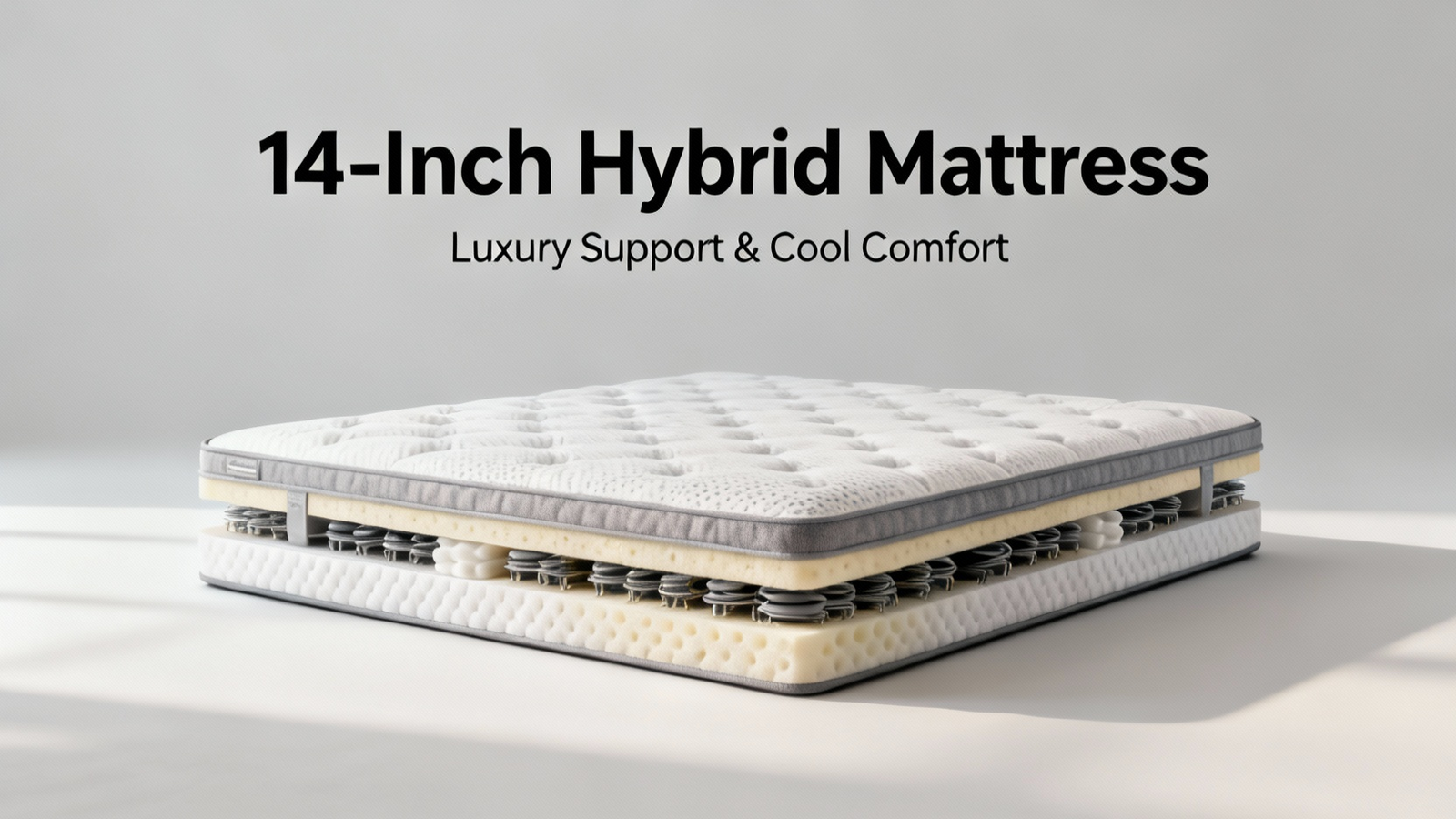
14-Inch Hybrid Mattress: Luxury Support & Cool Comfort
January 20, 2026 | by li, moniker