Thermoelectric Wine Coolers: Pros, Cons, and Ideal Uses
October 13, 2025 | by li, moniker

For the discerning wine enthusiast, proper storage is paramount. This article explores the innovative world of thermoelectric wine refrigerators, a popular alternative to traditional compressor-based models. We will delve into the unique cooling technology they employ and analyze the specific advantages and limitations they present to help you determine if a thermoelectric wine cooler is the right choice for your collection.
The Science of Silent, Vibration-Free Cooling
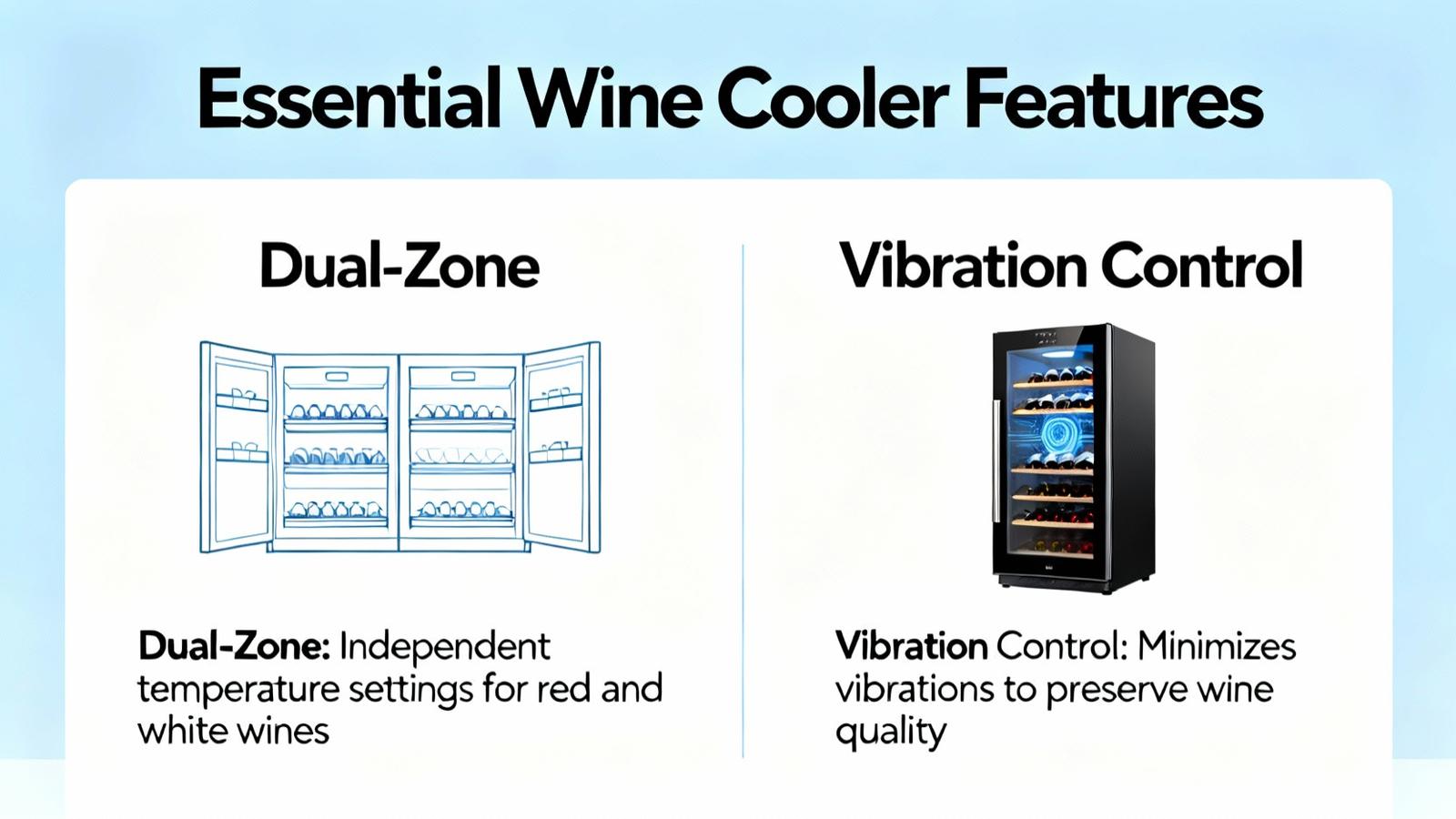
Unlike compressor coolers that use a refrigerant and a mechanical pump, a thermoelectric wine refrigerator operates on the Peltier effect. Discovered by Jean Charles Athanase Peltier in 1834, this phenomenon involves passing an electrical current through a junction of two different conductors to create a heat pump. One side gets cold while the other gets hot; the cold side chills the interior, and a fan dissipates the heat from the hot side. This solid-state technology results in a unit that is exceptionally quiet, as confirmed by a 2021 review from the International Journal of Refrigeration highlighting the minimal acoustic emissions of thermoelectric systems. Furthermore, the absence of moving parts like a compressor means there are virtually no vibrations, which is critical for the long-term aging of fine wines as vibrations can disturb the sediment and potentially alter the wine’s chemical development.
For a more detailed comparison, you can explore this resource on the difference between compressor and thermoelectric wine coolers.
Ideal Use Cases and Environmental Considerations
The specific characteristics of thermoelectric wine coolers make them perfectly suited for certain environments, primarily as short-term storage or serving units. Their compact size and sleek design are ideal for living areas, offices, or under-counter kitchen installations where noise is a concern. However, their cooling capacity is generally more limited. According to the U.S. Department of Energy’s 2022 Appliance Standards Report, thermoelectric models are most efficient in stable, ambient temperatures, typically between 60°F and 80°F (15°C and 27°C). They can struggle to maintain a set temperature in hotter environments like garages or sunrooms. This efficiency is a key trade-off; while they use environmentally friendly refrigerants, their energy consumption can be higher relative to their cooling power in non-ideal conditions. Therefore, choosing the right thermoelectric wine refrigerator depends heavily on your climate and whether it will be used for ready-to-drink bottles or long-term cellaring.
Understanding these factors is crucial, and resources like this guide to thermoelectric wine cooler differences can help clarify the best application.
In summary, thermoelectric wine refrigerators offer a compelling solution with their silent operation and vibration-free environment, making them excellent for short-term storage in climate-controlled spaces. Their limitations in extreme temperatures and lower cooling capacity, however, position them differently from their compressor-driven counterparts. Ultimately, your choice should be guided by your collection’s size, your intended use, and the installation environment. By weighing the unique benefits of a thermoelectric wine cooler against its constraints, you can make an informed decision that perfectly preserves the integrity and flavor of your wine.
RELATED POSTS
View all


Best Under Counter Wine Coolers for Stylish Wine Storage
August 19, 2025 | by li, moniker
Essential Wine Cooler Features: Dual-Zone, Vibration Control
January 12, 2026 | by li, moniker