


For homeowners seeking a powerful kitchen ventilation solution without the complex installation of ductwork, the 30 ventless range hood presents a compelling option. This article will explore the innovative technology behind these hoods and provide a practical guide to their maintenance, helping you determine if this flexible appliance is the right fit for your cooking space and lifestyle.
The Technology Behind Ventless Filtration
Unlike traditional range hoods that expel air outside, a ventless (or ductless) range hood operates by actively filtering the air internally and recirculating it back into the kitchen. The core of this system is a multi-stage filtration process designed to capture grease and neutralize odors. The first line of defense is typically one or more aluminum mesh or baffle filters. These are engineered to trap grease particles, much like the filters studied for efficacy in commercial kitchens by organizations like the ASTM International, which has standards for grease filter performance dating back decades.
The second, and most crucial stage for odor elimination, is the charcoal filter. These filters contain activated carbon, a material with a vast surface area that adsorents cooking odors and fumes through a process known as chemisorption. The effectiveness of activated carbon for air purification has been documented since World War I for use in gas masks, proving its long-standing authority in trapping gaseous pollutants. It is this combination of mechanical and chemical filtration that allows a modern 30 inch ductless range hood to effectively clean your kitchen air without external venting.
Maximizing Performance and Long-Term Value
To ensure your ventless hood performs at its peak, a consistent maintenance routine is non-negotiable. The metal grease filters require regular cleaning, typically every two to four weeks depending on usage. These are often dishwasher-safe, making the process straightforward. Neglecting this can lead to reduced airflow and a potential fire hazard.
The charcoal filters, however, cannot be cleaned and must be replaced periodically. Most manufacturers, including leading brands, recommend a replacement cycle of every 3 to 6 months. This is because the activated carbon becomes saturated with particles and loses its adsorbent capacity. Using a spent filter renders the odor-removal function of your recirculating range hood virtually useless. Therefore, factoring in the cost and availability of these replacement filters is an essential part of the long-term ownership cost.
In summary, a 30-inch ventless range hood offers a practical ventilation solution where ductwork is not feasible, relying on a proven two-stage system of grease and carbon filtration. Its effectiveness is entirely dependent on a disciplined upkeep schedule, including washing metal filters and timely replacement of the charcoal ones. By understanding the technology and committing to its maintenance, you can enjoy a fresher kitchen environment with the flexibility that this innovative appliance provides.
RELATED POSTS
View all


12-Inch Mattress: Balanced Support & Motion Isolation
November 13, 2025 | by li, moniker

Compressible Plush Modular Lounge Sofa Ottoman Guide
November 11, 2025 | by li, moniker
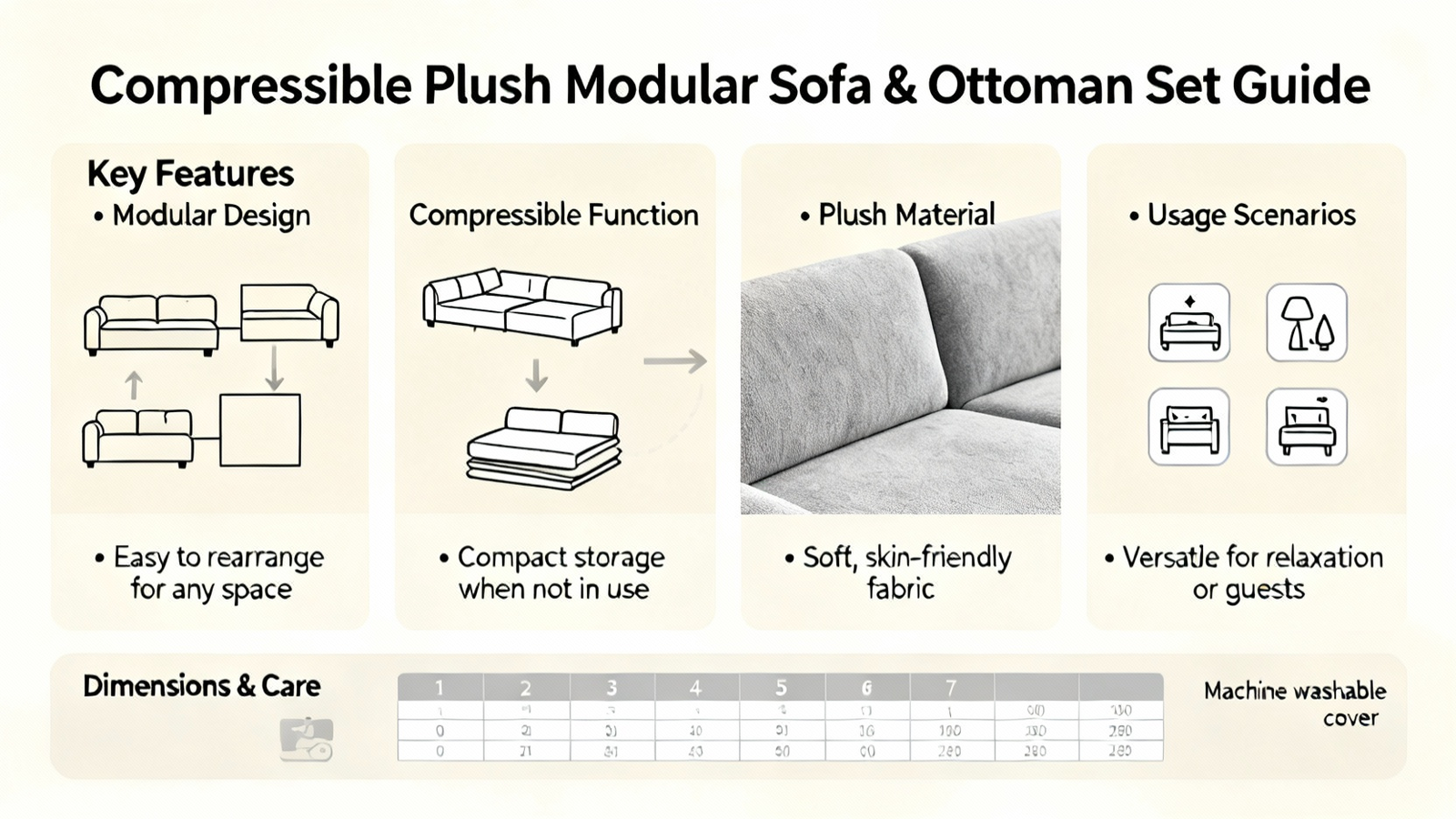
Compressible Plush Modular Sofa & Ottoman Set Guide
January 12, 2026 | by li, moniker