Choosing the right beverage center is essential for any enthusiast. This article explores the critical differences between a dedicated wine and beer mini fridge and a standard kitchen refrigerator. We will guide you through the unique preservation needs of each beverage and the key features to look for when selecting the perfect compact cooling unit for your home or bar.
The Science of Proper Beverage Preservation
Not all drinks are created equal, and neither are their ideal storage conditions. A standard refrigerator is designed for food preservation, creating an environment that is often too cold and too dry for optimal beverage enjoyment. Beer, for instance, is best served at temperatures between 38-55°F (3-13°C), depending on the style. Storing it too cold can mute its complex flavors and aromas. Wine has even more precise needs, with long-term storage requiring a consistent temperature around 55°F (13°C), a humidity level of 50-70% to keep corks from drying out, and protection from light and vibration, which can accelerate aging and cause chemical deterioration.
A dedicated wine and beer mini fridge is engineered to address these specific requirements. Unlike a standard fridge, these units offer precise digital temperature control, allowing you to dial in the exact setting for your lager or your cabernet sauvignon. Many models also incorporate specialized features like UV-protected glass doors to shield contents from light and advanced compressor systems that minimize harmful vibration, ensuring your valuable collection ages gracefully and your beers taste exactly as the brewer intended.
Key Features for the Ideal Compact Cooler
When shopping for a beverage refrigerator, understanding the available features will ensure you make a purchase you’re happy with for years to come. The first decision is between a dual-zone and a single-zone unit. Dual-zone coolers feature two separate compartments with independent temperature controls, making them the ultimate versatile choice for someone who stores both red wine and white wine, or wine and beer, simultaneously. Single-zone units are perfect for those with a more focused collection.
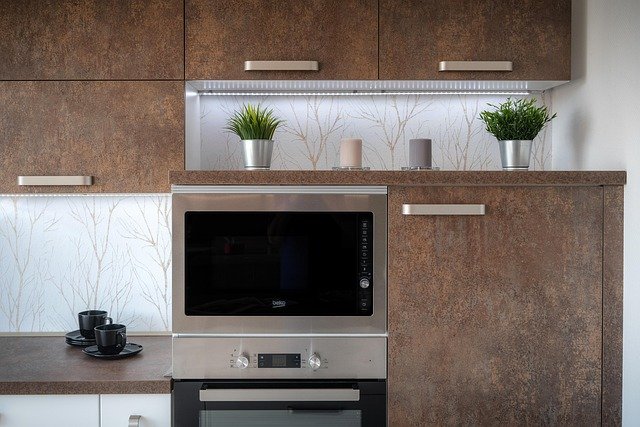
Other critical considerations include capacity, design, and shelving. Capacity is measured by the number of standard 750ml bottles it can hold, but remember that shelving designed for wine may not accommodate larger beer cans or growlers. Look for adjustable or versatile shelving that can be reconfigured to hold different bottle and can sizes. Finally, consider the aesthetic; a sleek stainless steel design might suit a modern kitchen, while a wooden cabinet model could be perfect for a traditional home bar. For those with limited space, a compact 15-inch beverage fridge offers a perfect balance of capacity and a small footprint, fitting seamlessly into tighter spaces without sacrificing performance.
In summary, investing in a specialized wine and beer mini fridge is about more than just convenience—it’s about preservation and taste. By understanding the distinct climate needs of your beverages and selecting a unit with the appropriate features like precise temperature control and UV protection, you can significantly enhance your drinking experience. The right cooler ensures every sip is served at its absolute best, making it a worthy addition for any true connoisseur.
RELATED POSTS
View all