Choosing the right wine fridge is crucial for preserving your collection’s integrity, and it all starts with understanding the available space. The dimensions of a wine cooler are not arbitrary; they are directly tied to its capacity and how it will integrate into your home. This guide will explore the standard sizes for freestanding and built-in models, helping you make an informed decision that balances bottle count with your room’s layout.
Common Dimensions and Capacities
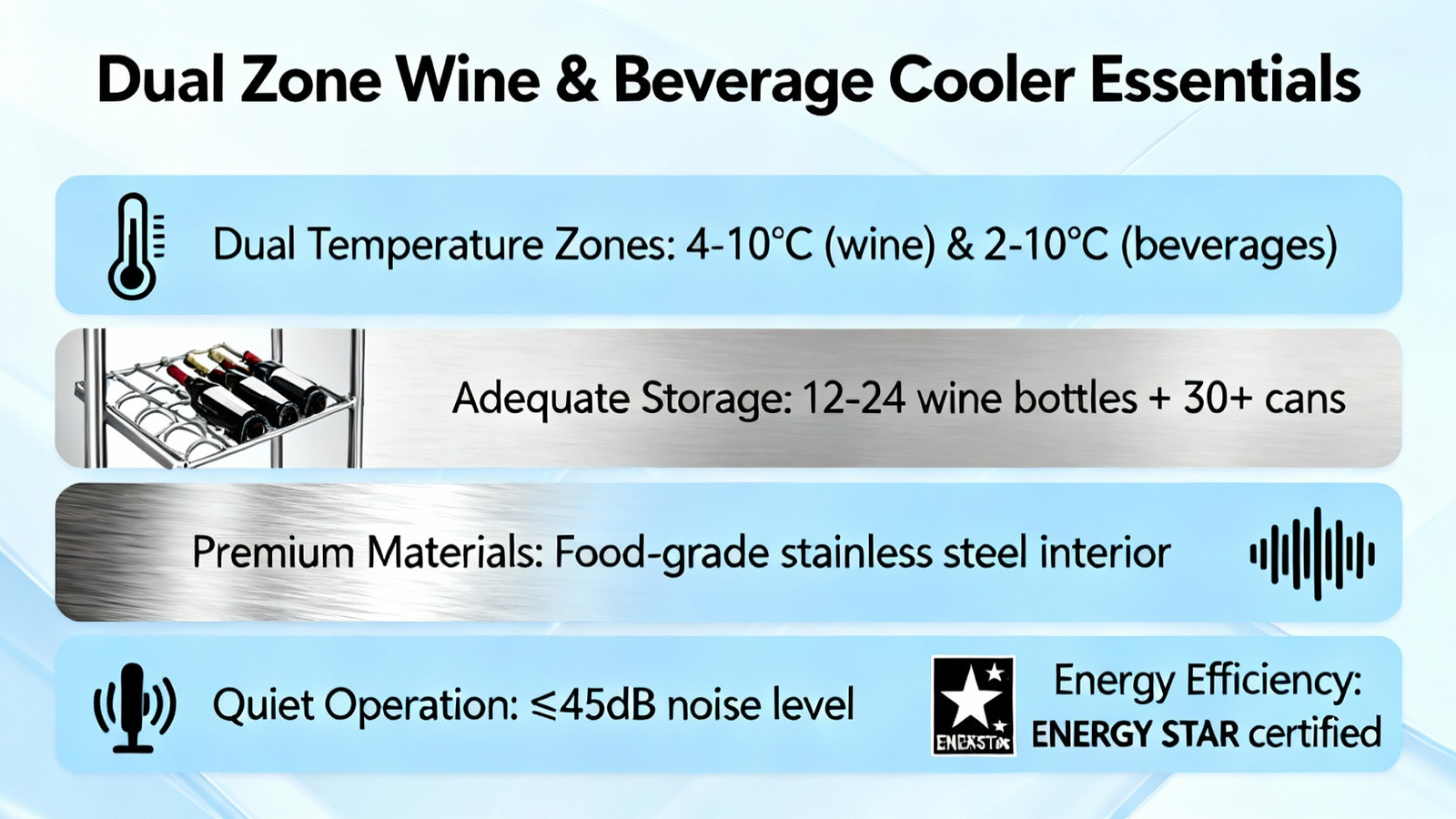
The world of wine coolers is broadly categorized by capacity, which directly dictates their physical size. A small, compact unit designed for a countertop or small apartment might hold 6-12 bottles and have dimensions around 15 inches in width and 20 inches in height. Stepping up, a medium-capacity model, which is one of the most popular choices for homes, typically holds 24-36 bottles. These units often have standard wine fridge dimensions close to 24 inches in width, making them a versatile fit for many kitchens and dining areas. For example, the Tylza 24-inch model fits this profile perfectly, offering substantial storage without overwhelming a room.
For serious collectors, large freestanding cabinets can hold 100+ bottles and require significant floor space, often exceeding 30 inches in width and 70 inches in height. It’s important to note that the external dimensions only tell part of the story. The internal layout, including the number of shelves and whether they are wood or metal, can slightly affect the actual bottle capacity. Always check the manufacturer’s specifications for exact measurements.
Installation Type and Design Considerations
Beyond raw capacity, the installation type is the next critical factor influencing a wine cooler’s dimensions and requirements. Freestanding models are the most common and are designed to stand alone, often with finished sides so they can be placed anywhere. They require ventilation space at the back and sometimes the sides, which means you must add a few extra inches to the unit’s stated dimensions for proper airflow.
In contrast, built-in or integrated models are engineered to fit seamlessly into your cabinetry. According to design standards followed by manufacturers like KitchenAid and Sub-Zero, these units are typically slimmer (often 24 inches deep) and require zero-clearance installation, meaning they can be enclosed on all sides except the front. This built-in design allows for a flush, custom look. When planning for a built-in, you must account for the exact wine cooler refrigerator dimensions, including the necessary front-venting space. Whether you choose a freestanding or built-in unit, always measure your intended space meticulously, including doorways and hallways it must pass through, to ensure a perfect fit.
In summary, selecting a wine fridge is a balance between your collection’s size and your home’s physical constraints. By understanding the common dimensions linked to bottle capacity—from compact 12-bottle units to expansive 100-bottle cabinets—and the critical distinction between freestanding and built-in installation requirements, you can navigate your options with confidence. Careful measurement and consideration of these factors will ensure your new cooler not only protects your wine but also enhances your living space.
RELATED POSTS
View all