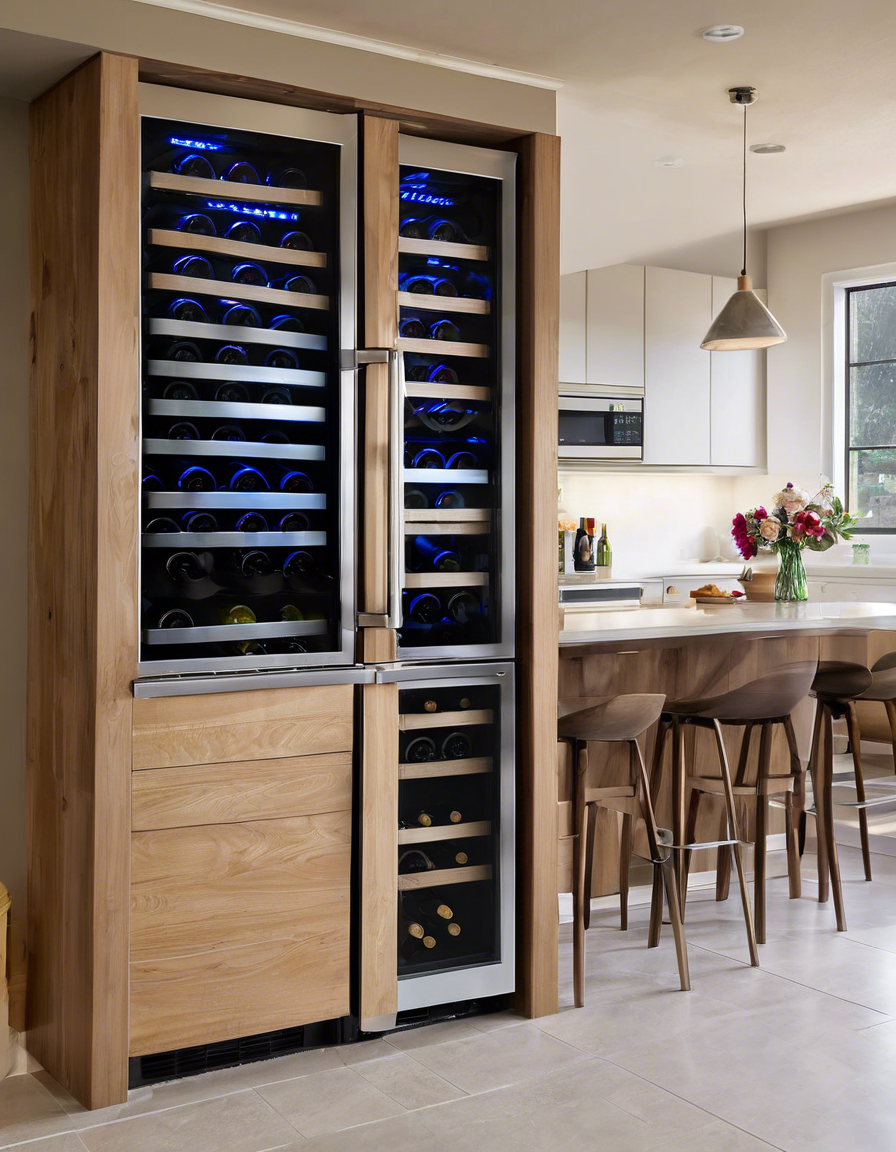
Understanding the power consumption of a wine fridge is crucial for both energy-conscious homeowners and wine enthusiasts. This article delves into the factors that influence electricity usage, from the cooling technology to how you use the unit, providing a clear estimate of what to expect on your energy bill.
Key Factors Influencing Energy Consumption
The amount of power your wine refrigerator uses is not a fixed number; it depends on several variables. The primary factor is the cooling technology. Thermoelectric models are generally more energy-efficient, often using between 40 to 100 watts when running, as they have no moving parts besides a small fan. In contrast, compressor-based units, while powerful and better for warmer environments, can use 80 to 200 watts or more during their cooling cycle.
Other significant factors include:
- Size and Capacity: A larger 40-bottle unit will naturally consume more energy than a compact 12-bottle model.
- Ambient Temperature: Placing the fridge in a hot garage or direct sunlight forces it to work harder, increasing power draw.
- Insulation and Door Seals: High-quality insulation and tight seals maintain temperature more efficiently, reducing cycle frequency.
- Usage Patterns: Frequently opening the door allows cool air to escape, making the compressor or thermoelectric module work overtime to restabilize the internal climate.
Estimating Your Wine Fridge’s Energy Costs
To translate watts into practical costs, you need to calculate daily energy consumption. First, find your unit’s estimated yearly kilowatt-hour (kWh) usage, often listed on its ENERGY STAR label or in the manual. For example, a medium-sized, efficient unit might use around 200 kWh per year.
You can calculate the daily cost with this formula: (Yearly kWh / 365) x Your Electricity Rate. If your rate is $0.15 per kWh and the fridge uses 200 kWh annually, the daily cost is roughly ($200 / 365) x $0.15 = ~$0.082, or less than $2.50 per month. This makes a modern wine cooler a relatively inexpensive appliance to run, especially when compared to a full-sized kitchen refrigerator. Choosing an energy-efficient model suited to your needs is the best way to minimize this operational expense.
In summary, a wine fridge’s power usage is typically modest, influenced mainly by its cooling technology, size, and environment. By understanding these factors and performing a simple calculation, you can easily estimate its impact on your utility bill. Opting for a well-suited, energy-efficient unit ensures your collection is preserved perfectly without a surprising energy cost.
RELATED POSTS
View all